
What this chapter covers
- The executive branch.
- The President of the United States.
- The agencies in the federal government.
The executive branch
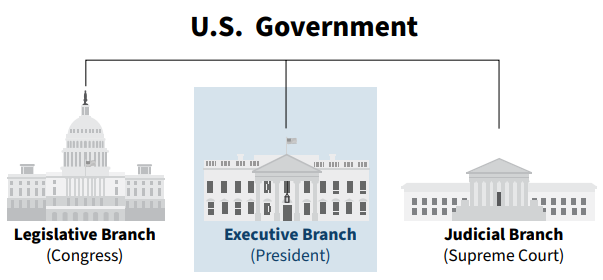
The executive branch is one branch of the U.S. government. The President of the United States is in charge of it.
The Constitution says the President enforces federal laws. During the Constitutional Convention, the Founders were afraid that if the President had too much power, the President would be above the law and could become a king or queen. They believed that in the United States no one is above the law. This is called the rule of law. The Founders believed the President should have the power to protect and serve the people, and should also follow the rule of law.
The other parts of the executive branch are the President’s Cabinet, the Vice President of the United States, and the executive departments and agencies in the federal government.
The President’s Cabinet
The executive branch includes the executive departments and agencies that are part of the federal government. They help the President enforce laws, protect the country, work with other countries, and provide services to the people of the United States.

The people who lead the executive departments are mostly called Secretaries. For example, the person who leads the Department of Homeland Security is called the Secretary of Homeland Security.
The leaders of the executive departments are also called Cabinet-level positions because they are part of the President’s Cabinet. A cabinet is another word for a group of advisors, and the President’s Cabinet advises the President. The President can also choose other people from the federal government to serve on the Cabinet.
Each executive department has many smaller agencies. For example, the Federal Bureau of Investigation (FBI) is part of the Department of Justice, and U.S. Citizenship and Immigration Services (USCIS) is part of the Department of Homeland Security.
The leader of the Department of Justice is not called a Secretary. That person is called the Attorney General.
All of the Cabinet-level positions listed in the USCIS guide
- Attorney General
- Secretary of Agriculture
- Secretary of Commerce
- Secretary of Education
- Secretary of Energy
- Secretary of Health and Human Services
- Secretary of Homeland Security
- Secretary of Housing and Urban Development
- Secretary of the Interior
- Secretary of Labor
- Secretary of State
- Secretary of Transportation
- Secretary of the Treasury
- Secretary of Veterans Affairs
- Secretary of War (Defense)
- Vice President
- Administrator of the Environmental Protection Agency
- Administrator of the Small Business Administration
- Director of the Central Intelligence Agency
- Director of the Office of Management and Budget
- Director of National Intelligence
- United States Trade Representative
Commander in Chief
The President is the Commander in Chief of the military. This means the President is in charge of everyone serving in the U.S. military, also called the U.S. Armed Forces.
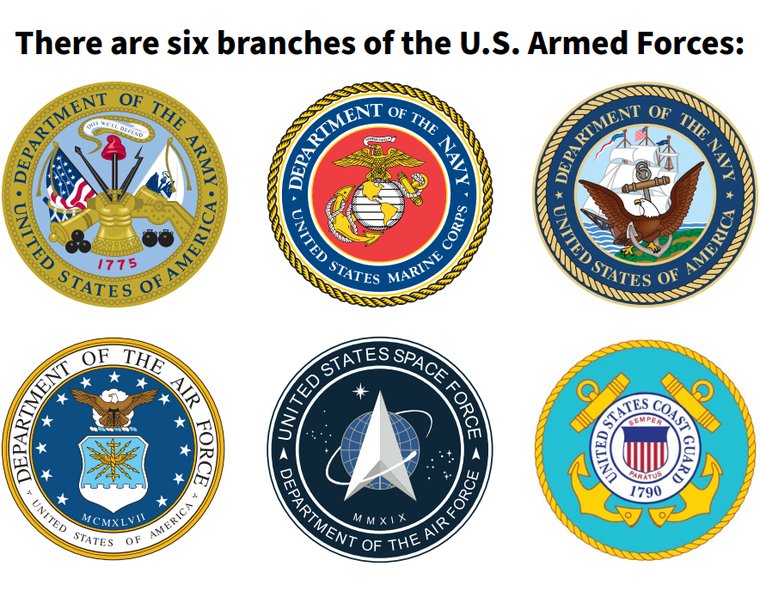
Serving in the U.S. Armed Forces is voluntary. Today more than 2 million people serve in the U.S. Armed Forces. You can read more at the U.S. Department of Defense, defense.gov.
Electing the President
The President is chosen through the Electoral College, which gives each state a voice in the election. U.S. citizens vote for President in November, and the President is elected for four years. A person can be elected President only two times, which means four years followed by four more years.
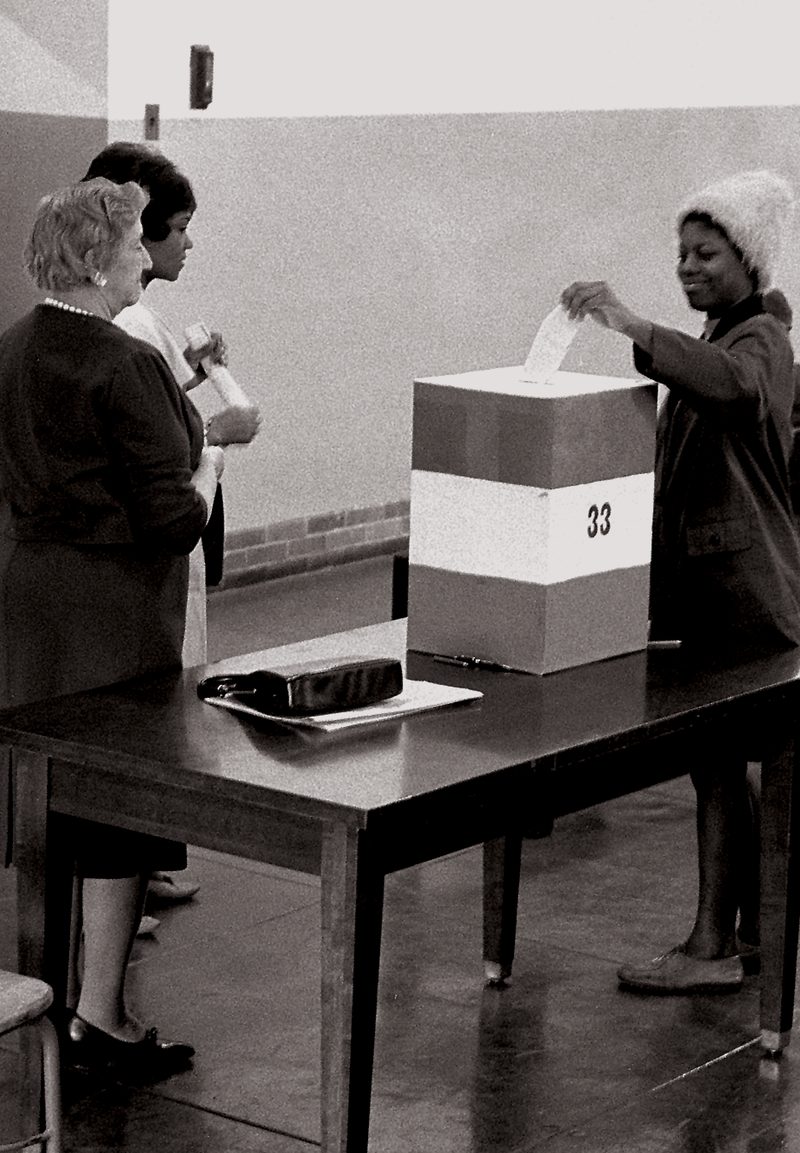
When a person runs for President, they are nominated by a political party. Today there are two major political parties in the United States: the Democratic Party and the Republican Party.

To find the name of the President of the United States now, visit whitehouse.gov.
The Vice President
The Vice President of the United States works for the President in the executive branch. The Vice President is the President of the Senate, an advisor to the President, and a member of the President’s Cabinet.
The Constitution says that if the President can no longer serve, the Vice President becomes President. There have been Presidents who did not serve all four years of their term, for example because they died while serving in office. In those cases, the Vice President became President.
If both the President and the Vice President can no longer serve, the Speaker of the House of Representatives becomes President. That order is called the line of succession: President, Vice President, Speaker of the House.

To find the names of the Vice President and the Speaker of the House now, visit whitehouse.gov and speaker.gov.
What to remember
- The President is in charge of the executive branch and enforces federal laws.
- The Cabinet is a group of advisors made up mostly of the heads of executive departments.
- Department leaders are called Secretaries, except for the Attorney General at the Department of Justice.
- The President is the Commander in Chief of the military.
- The President is elected for four years and may be elected only twice.
- If the President can no longer serve, the Vice President becomes President.