
What this chapter covers
- Slavery during the 1800s.
- The Civil War.
- Abraham Lincoln.
- The end of slavery in the United States.
Slavery in the 1800s
During the 1800s, the states in the southern United States began to depend more on growing cotton and other crops for sale to countries in Europe. Landowners depended on enslaved people to do the work.
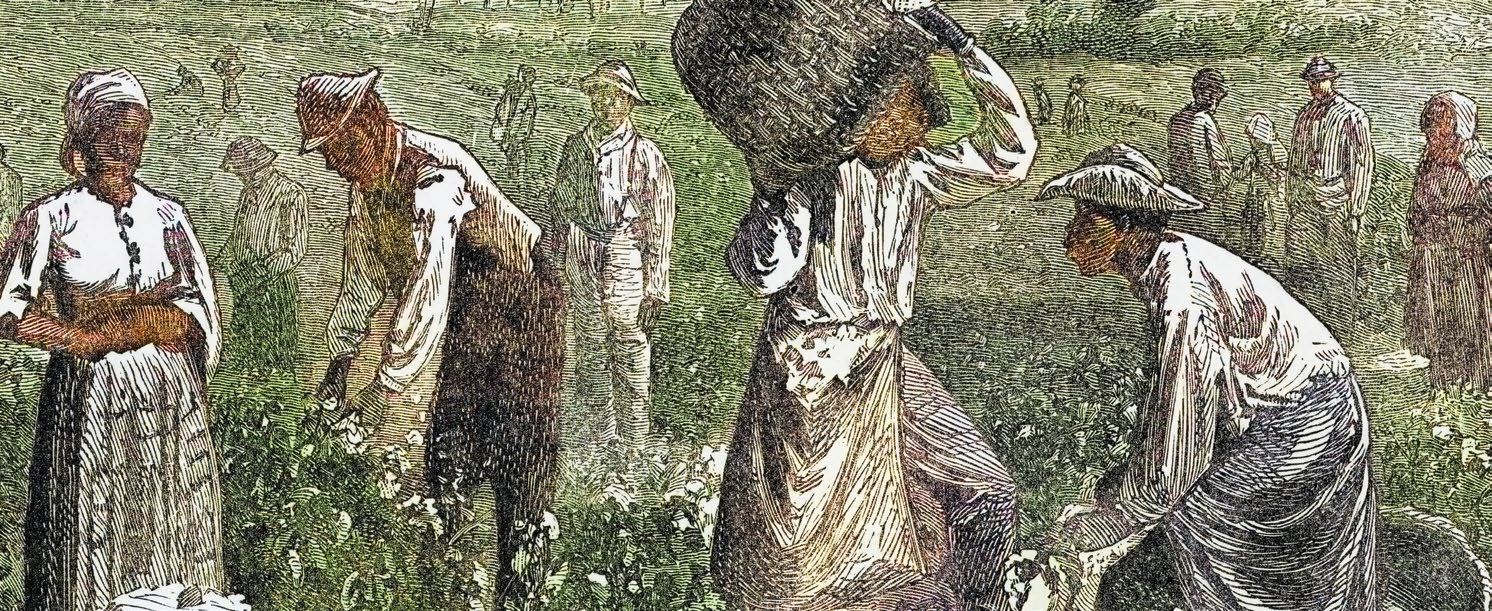
As the U.S. gained more territory, many people who owned slaves in the South wanted to move to the new states and territories in the West. They wanted to find more land to grow crops like cotton, corn, and tobacco. They also wanted slavery to be legal in the West so they could bring enslaved people to work on the farms and grow crops.
Most northern states passed laws against slavery, and many people in the North did not want slavery to be legal in the West. When people from the North and the South began moving west in the 1800s, there were many conflicts about whether slavery should be legal in the new states and territories. Congress began to pass laws that said where slavery was legal in the West and where it was not.
Fighting for civil rights and fighting to end slavery
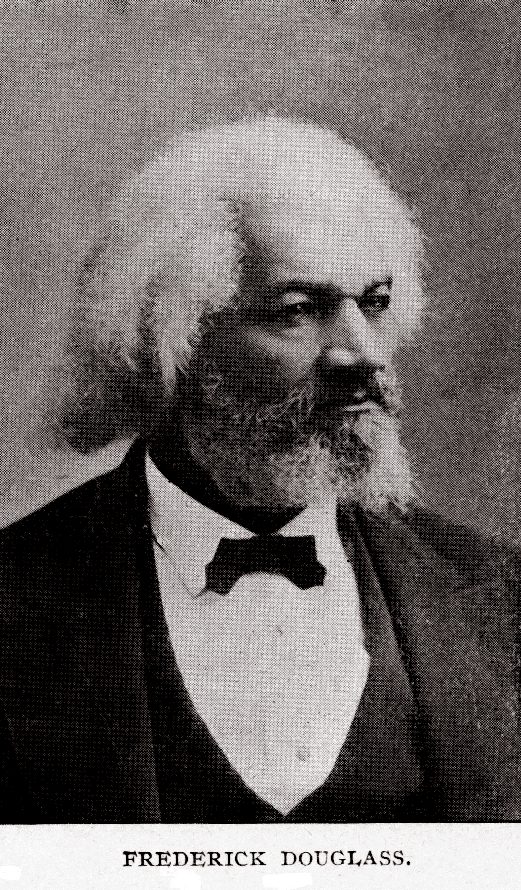
Between 1800 and 1860, there were people who thought that slavery should be illegal and that everyone in the U.S. should have civil rights.
For example, Frederick Douglass escaped from slavery and became an important civil rights leader in the 1800s. He is famous for giving speeches and writing books about ending slavery and protecting civil rights for all people.
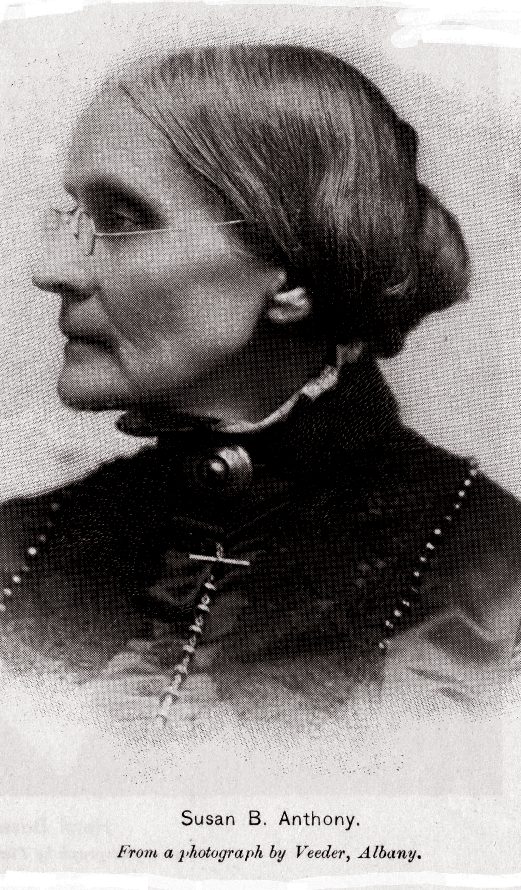
Susan B. Anthony is another person who fought for civil rights during the 1800s. She agreed with Frederick Douglass that slavery should be illegal. Susan B. Anthony also fought for women’s rights. She wanted women to be treated equally to men, and she wanted women to have the right to vote in the United States.
The beginning of the Civil War
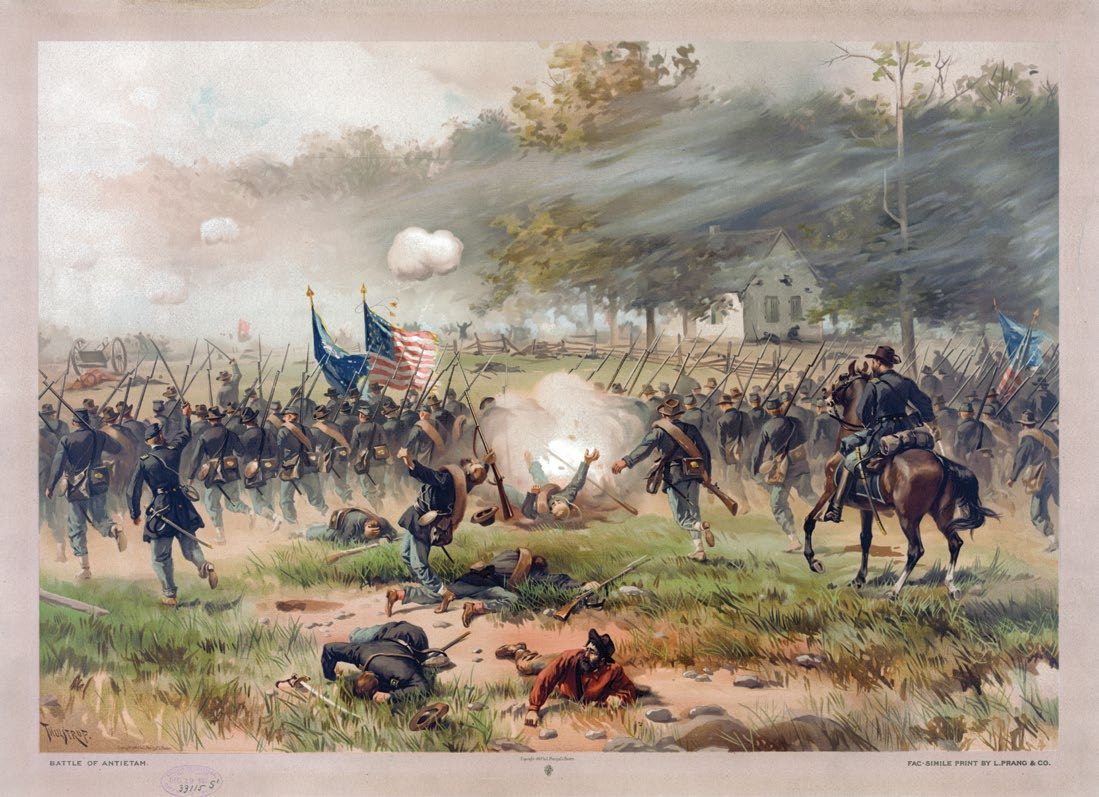
In 1861, the U.S. started fighting the Civil War. The Civil War was fought between the North and the South from 1861 to 1865.
One problem that led to the Civil War was slavery. The states in the South believed that slavery should be legal. They were afraid that states in the North wanted to make slavery illegal in the whole country. The states in the North were also afraid that the Southern states wanted to make slavery legal in the whole country.
The Civil War started in 1861 after 11 states in the South left the United States and tried to create their own country. They called their country the Confederate States of America. The states in the North were still called the United States of America.
Abraham Lincoln
Abraham Lincoln led the United States during the Civil War. He was the 16th President of the United States, and he served as President from 1861 to 1865.
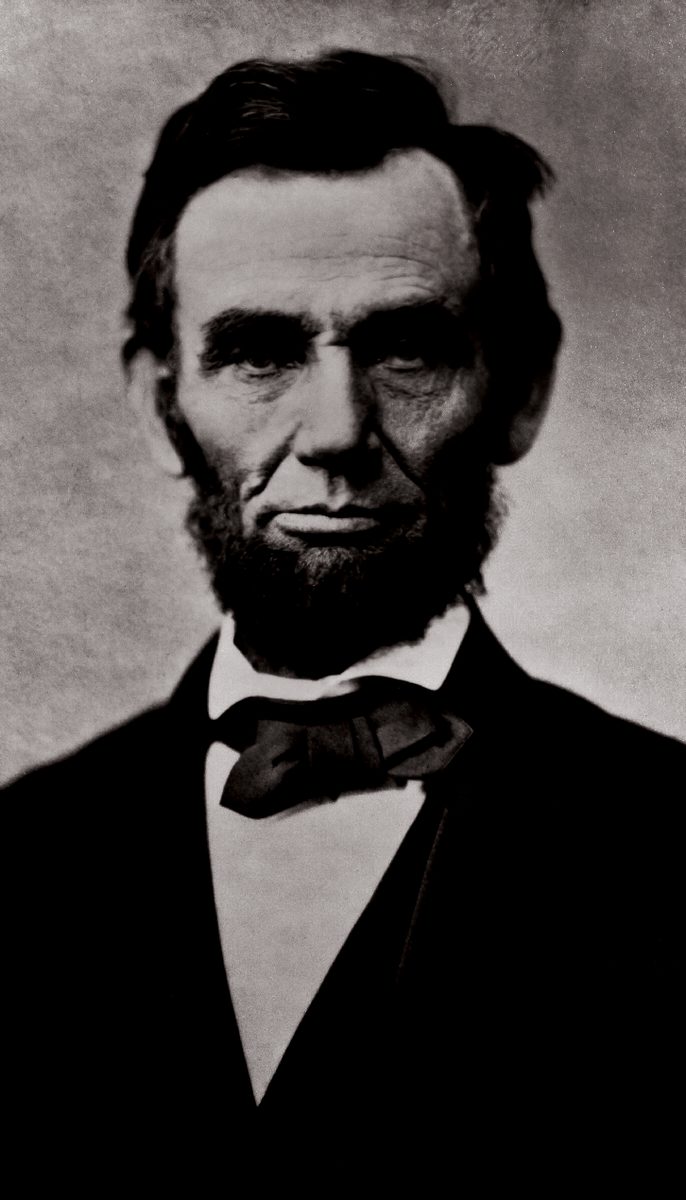
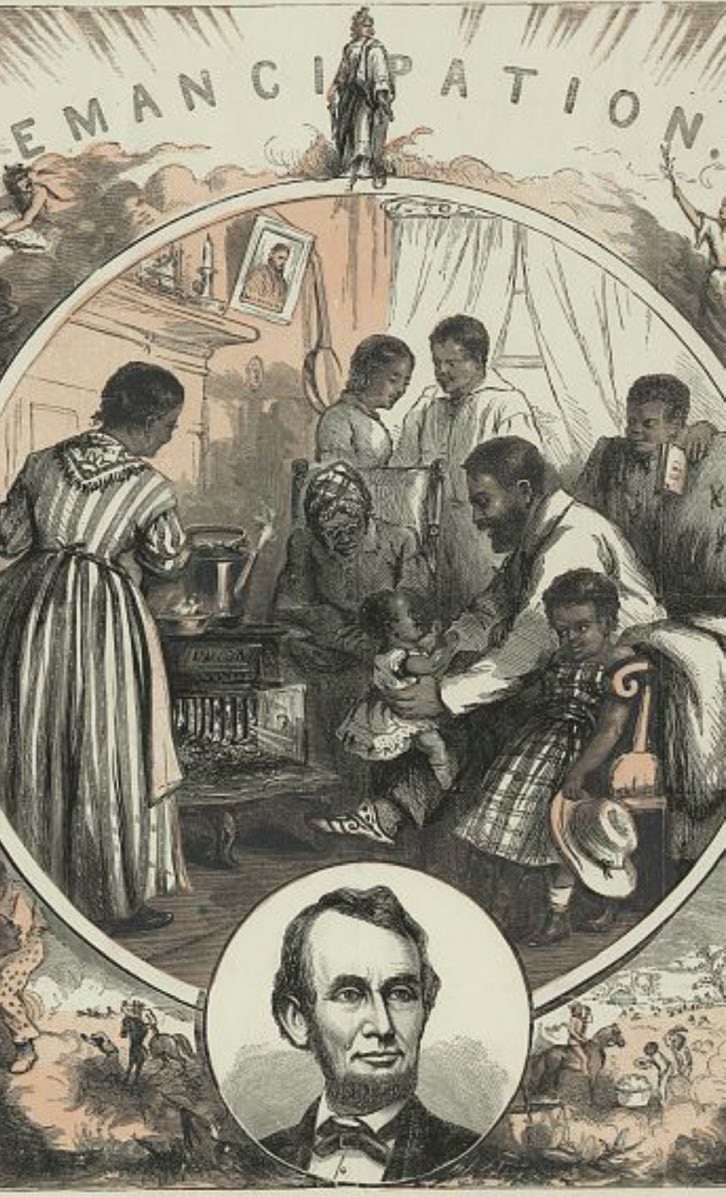
During the Civil War, Abraham Lincoln signed the Emancipation Proclamation. The Emancipation Proclamation freed the slaves in most Southern states. “Emancipation” is another word for “freedom.” “Proclamation” is another word for “announcement.” The Emancipation Proclamation announced that people who were enslaved in most Southern states were free. Most people enslaved in Southern states were not actually freed until after the Civil War was over.
The North won the Civil War when the South surrendered in April 1865. A few days after the South surrendered to the North, Abraham Lincoln was assassinated. The word “assassinated” means that a person is murdered for political reasons.
The end of slavery
After the Civil War was over, all the people who were enslaved in Southern states were freed. On June 19, 1865, enslaved people living in Galveston, Texas, became the last to learn that the Civil War was over and that they were free. June 19th became a holiday called Juneteenth. Today, Juneteenth is a national U.S. holiday that recognizes and celebrates the end of slavery in the United States.
On December 6, 1865, the 13th Amendment was added to the Constitution. An amendment is a change to the Constitution. The 13th Amendment says that slavery is illegal in the United States.
Two more amendments changed the Constitution after the Civil War. The 14th Amendment says that all persons born or naturalized in the United States are U.S. citizens. In 1870, the 15th Amendment protected the right to vote for men of all races.
What to remember
- The South depended on enslaved labor to grow cotton and other crops.
- Frederick Douglass escaped slavery and became a civil rights leader.
- Susan B. Anthony fought against slavery and for women’s rights and voting rights.
- The Civil War was fought between the North and the South from 1861 to 1865.
- Abraham Lincoln was the 16th President and led the country during the Civil War.
- The Emancipation Proclamation announced freedom for enslaved people in most Southern states.
- The 13th Amendment, added in December 1865, made slavery illegal.
- The 14th Amendment granted citizenship, and the 15th Amendment protected voting rights for men of all races.
- Juneteenth, on June 19, celebrates the end of slavery.