
What this chapter covers
- The wars the U.S. fought in the 1900s.
- The Great Depression.
- The Cold War.
- The Civil Rights Movement.
- September 11, 2001.
- American Indians and American innovation.
A changing country
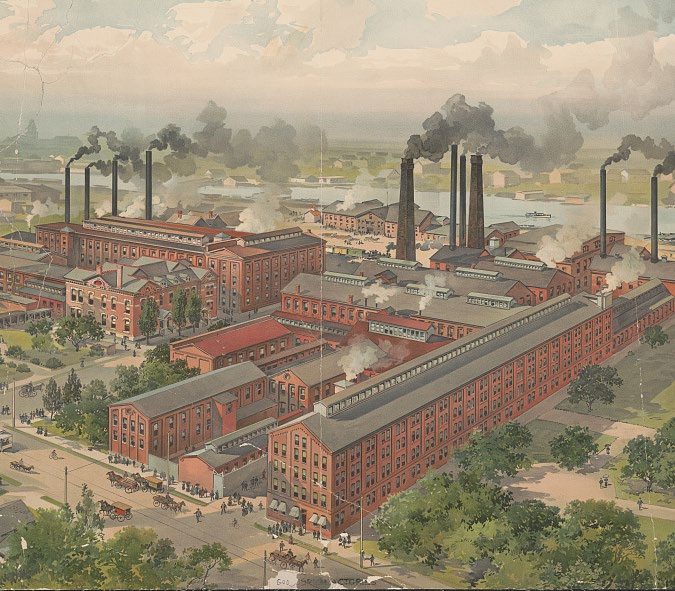
By the 1900s, more people in the United States were moving to cities to work in factories, and immigrants from all over the world were moving to the U.S. The United States’ economy was starting to grow, and soon the U.S. would begin to increase the size of its military.
World War I
In 1914, a war started in Europe. When the war started, it was called the Great War. Today, the Great War is called World War I. There were many countries fighting on each side of the war.
World War I was fought by countries from around the world from 1914 to 1918, but the U.S. did not join the war until 1917. The U.S. fought in World War I from 1917 to 1918. Germany’s attacks on U.S. ships helped bring the United States into the war.
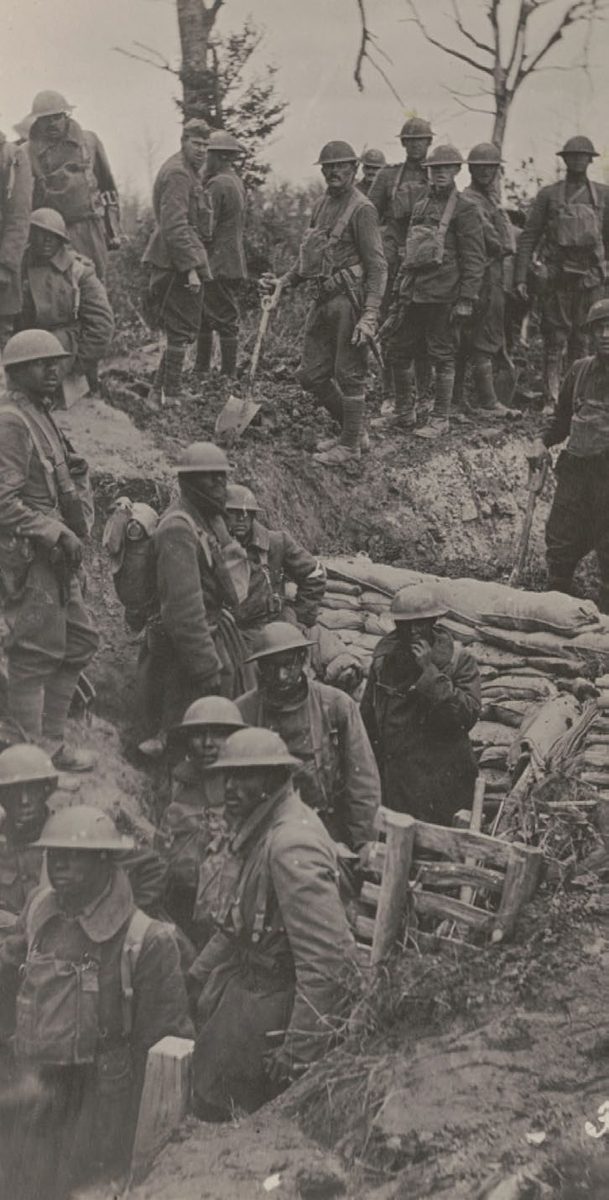
World War I ended on November 11, 1918. Today, we celebrate Veterans Day every November 11 in honor of the men and women, alive and deceased, who have served in the military. Veterans Day is a national U.S. holiday.
In 1920, the 19th Amendment was added to the Constitution, giving women the right to vote.
Woodrow Wilson was President during World War I. He was the 28th President of the United States, and he served from 1913 to 1921.
Other wars the United States fought in the 1900s
- World War II
- Korean War
- Vietnam War
- Persian Gulf War
The Great Depression
When President Roosevelt was elected in 1933, the U.S. was in the Great Depression. The Great Depression was the worst time for the U.S. economy in American history. It began with the stock market crash of 1929.
The economic system in the United States is called a capitalist economy. It is also sometimes called a market economy. In a market economy, the government does not control the economy. Also, people are free to start a business and make money.
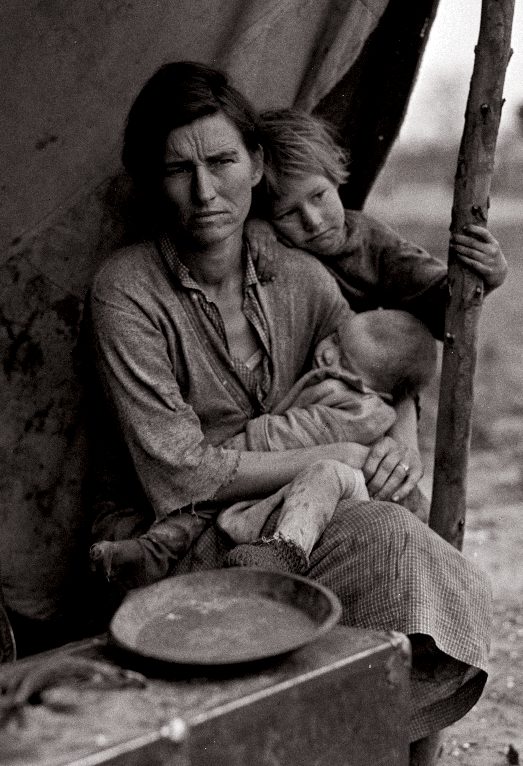
The Great Depression had terrible effects on the American economy. During the Great Depression, banks and businesses around the country closed, and many people could not get a job. A lot of people in the U.S. lost their homes and their money.
Franklin Roosevelt
In 1933, Franklin Roosevelt was elected the 32nd President of the United States. Franklin Roosevelt was the longest-serving President in U.S. history, and he was elected President four times. He was President from 1933 to 1945, and he died while serving as President in 1945.
In 1951, the 22nd Amendment was added to the Constitution. An amendment is a change to the Constitution. The 22nd Amendment says a person can only be elected President two times.
Franklin Roosevelt was President during two important periods in American history. He was President during the Great Depression and World War II.
World War II
In 1939, World War II started when Germany attacked Poland. Germany then began to attack other European countries. Japan and Italy agreed to fight on the same side as Germany.
World War II was one war that the U.S. fought in the 1900s. The U.S. fought in World War II from 1941 to 1945.
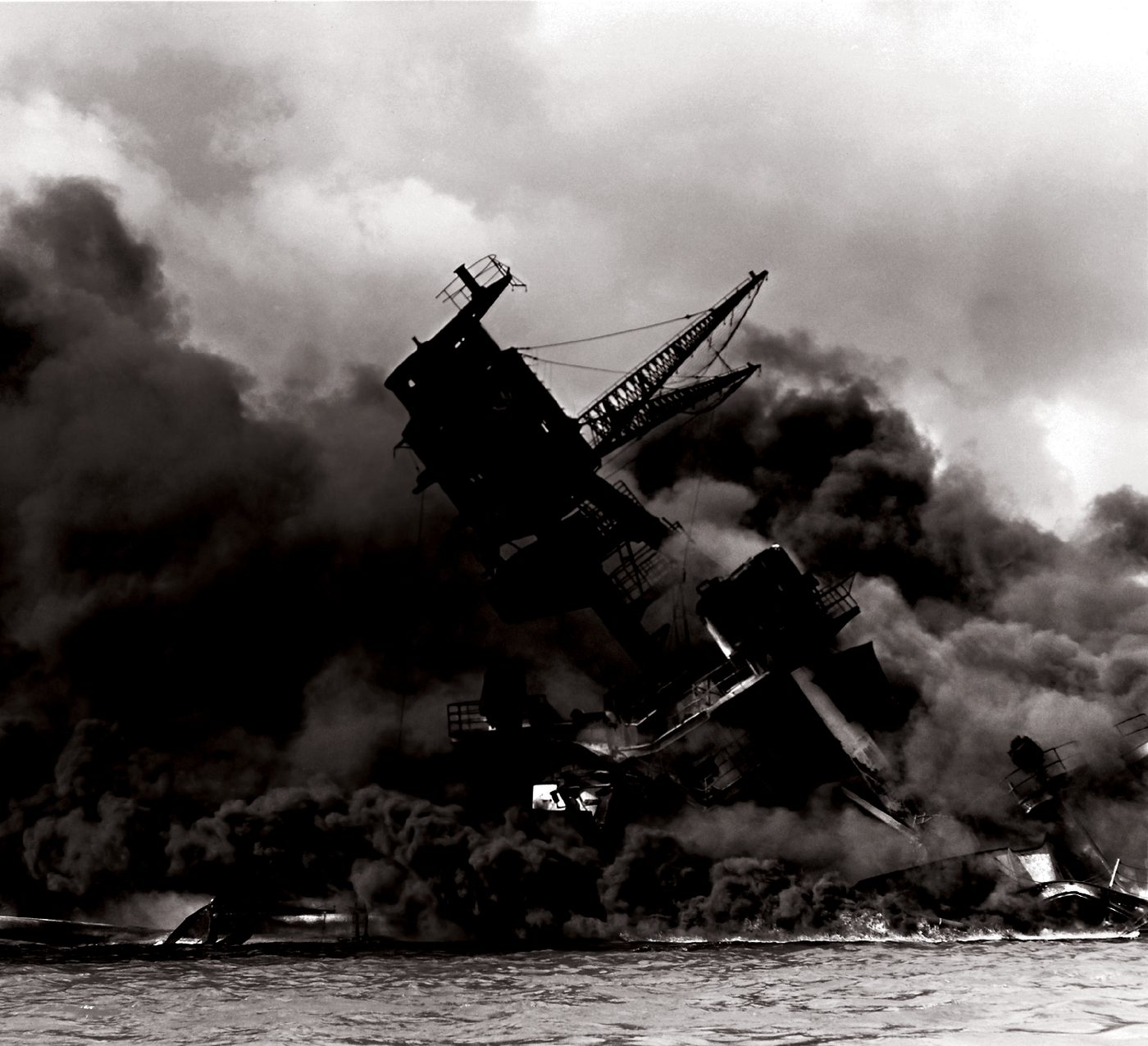
On December 7, 1941, Japan attacked the United States at a U.S. naval base in Hawaii called Pearl Harbor. On December 8, President Roosevelt announced that the U.S. would enter World War II. Later that day, Congress voted to declare war. The power to declare war is one power that belongs to the federal government under the Constitution.
During World War II, the U.S. fought Japan, Germany, and Italy. The U.S. did not fight these countries alone. The United Kingdom, France, Russia, and other countries fought against Japan, Germany, and Italy. World War II ended in 1945 when Germany and Japan surrendered.
The Cold War
When the United States fought in World War II, the U.S. and Russia fought on the same side. Russia controlled many nearby countries. Russia and the countries it controlled were called the Soviet Union. The U.S. and the Soviet Union did not trust each other. After World War II, the United States and the Soviet Union became involved in the Cold War.
During the Cold War, the main concern of the United States was the spread of communism. Communism is a type of government in which the government plans the economy and controls most of the resources. Also, in most communist countries, the government is controlled by one political party. Russia and all the countries in the Soviet Union were communist. Other countries like China and North Korea were also becoming communist. The U.S. wanted to stop other countries around the world from becoming communist.
The Cold War did not have soldiers from the U.S. and the Soviet Union fighting each other in battles. Instead, the U.S. and the Soviet Union had diplomats and spies who used information and threats against each other.
In 1953, Dwight Eisenhower became the 34th President of the United States. He served from 1953 to 1961. Before he was President, Eisenhower was a general in World War II. While he was President, the U.S. and the Soviet Union were building large armies in case they went to war. The two countries also began trying to send rockets into space. In 1957, the Soviet Union became the first country to send a satellite into space. In 1969, the U.S. became the first country to land a person on the moon.
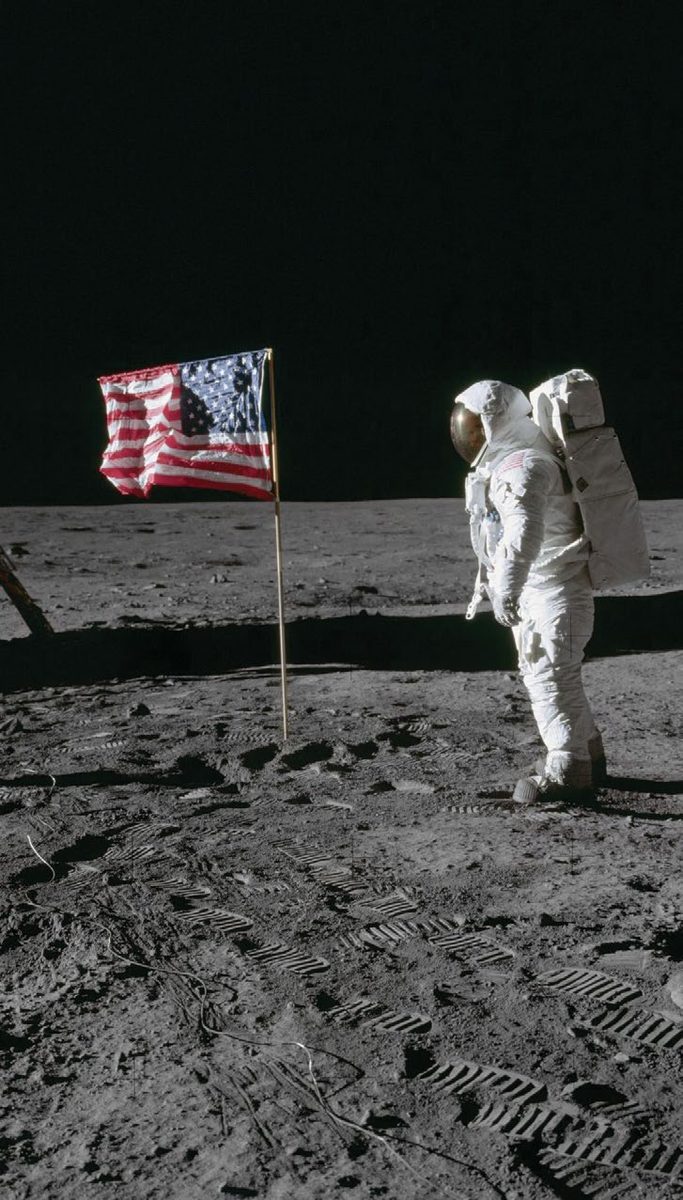
The United States also fought in the Korean War and the Vietnam War to stop the spread of communism. In 1991, the U.S. led a coalition that forced the Iraqi military out of Kuwait in the Persian Gulf War.
The Cold War ended in 1991 when the Soviet Union collapsed.
The Civil Rights Movement
During the 1900s, many states had laws that discriminated against people based on their race. Some of these laws said that people of different races had to go to separate schools, eat in separate restaurants, and live in separate neighborhoods. Other laws made it difficult for people to vote based on their race. Many of the states that had these laws wanted to separate Black Americans from White Americans. Some states had laws that discriminated against Latino Americans and Asian Americans.
Soon after World War II ended, many people in the United States began a movement to end racial discrimination. The movement to end racial discrimination in the United States is called the Civil Rights Movement.
During the Civil Rights Movement, many people worked to end the laws that separated people based on their race or made it difficult for people to vote based on their race. For example, Martin Luther King, Jr., fought for civil rights. He was a leader in the Civil Rights Movement who organized peaceful protests against racial discrimination and laws that separated people by race. A lot of his work focused on fighting for civil rights for Black Americans, but he wanted all people in the United States to have civil rights.
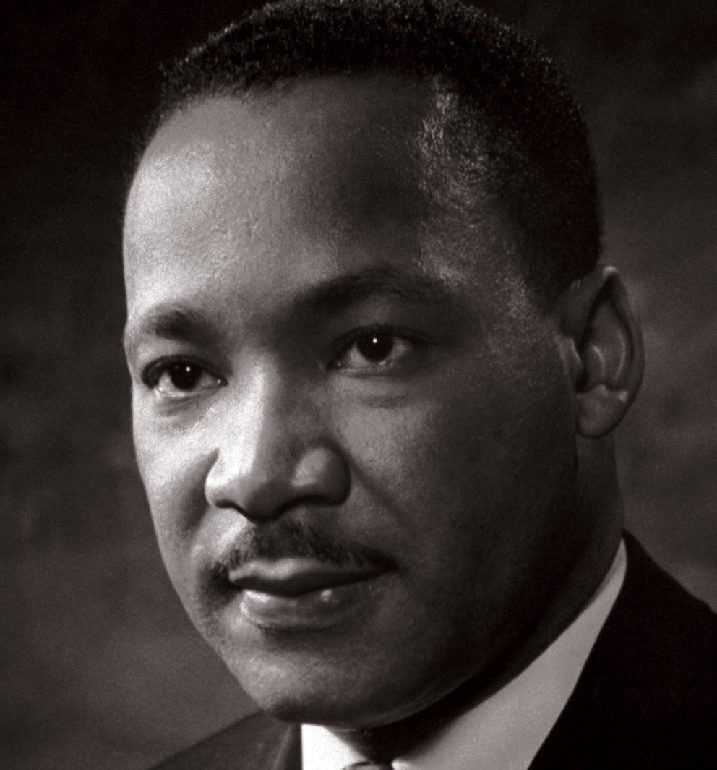
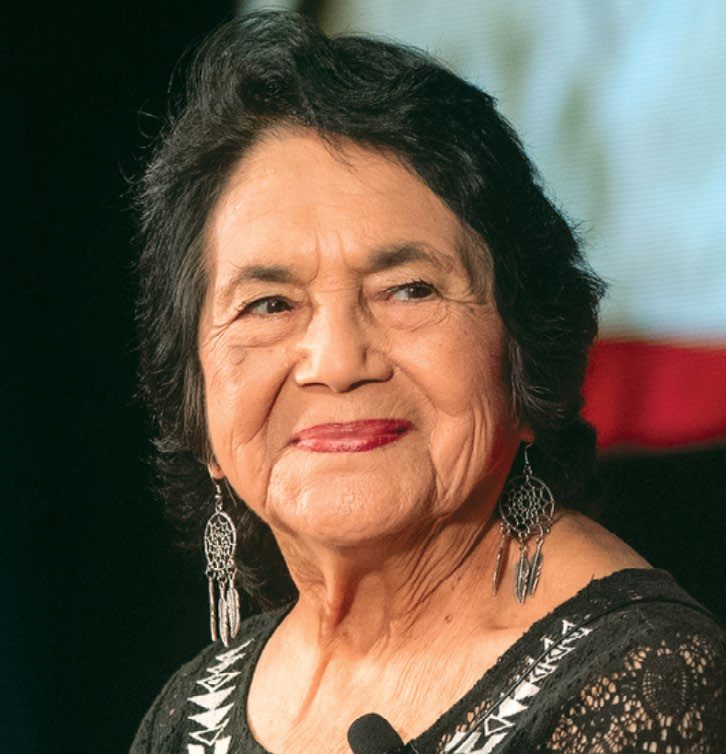
There were also many Latino Americans, Asian Americans, and people from other communities that helped lead the fight for civil rights. For example, Cesar Chavez and Dolores Huerta were civil rights leaders from the Latino American community.
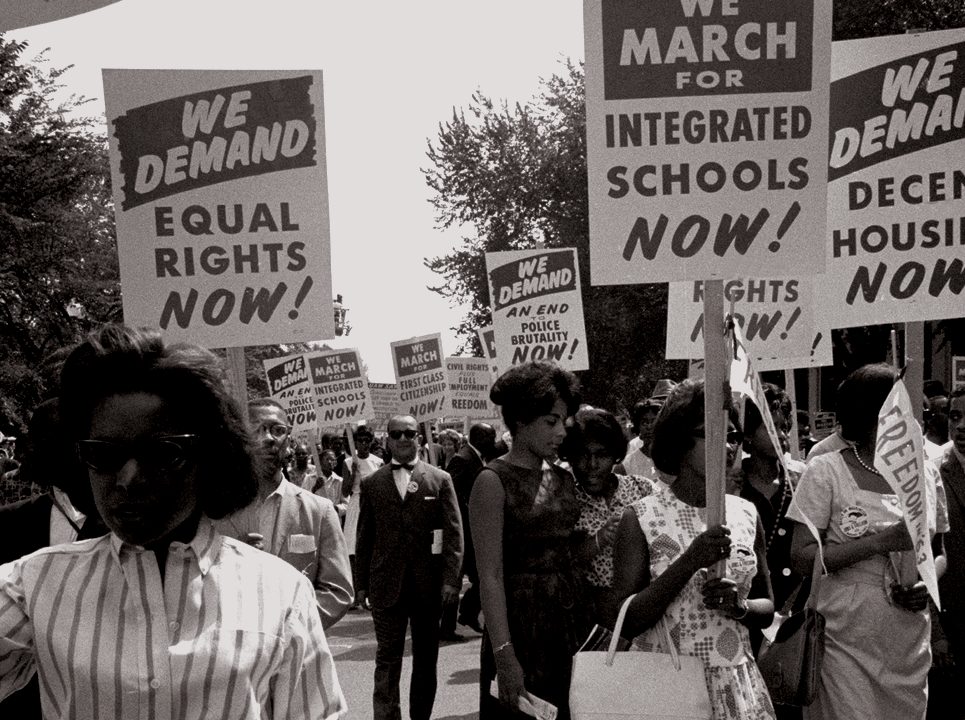
The Civil Rights Movement led to many changes in the United States. Martin Luther King, Jr., and other civil rights leaders were able to convince Congress to pass two laws that protect civil rights and voting rights. In 1964, Congress passed a law called the Civil Rights Act. This law says it is illegal to discriminate against someone based on their race, religion, sex, or national origin. In 1965, Congress passed another law called the Voting Rights Act. This law says that states cannot deny people the right to vote based on their race.
Today, Martin Luther King, Jr., Day is a national holiday. We celebrate it on the third Monday in January.
September 11, 2001
On September 11, 2001, terrorists attacked the United States.
Terrorists hijacked four airplanes. Two airplanes crashed into the World Trade Center in New York City. One plane crashed into the Pentagon in Arlington, Virginia, near Washington, D.C. The passengers on the fourth plane fought the terrorists, and the plane crashed in Shanksville, Pennsylvania.
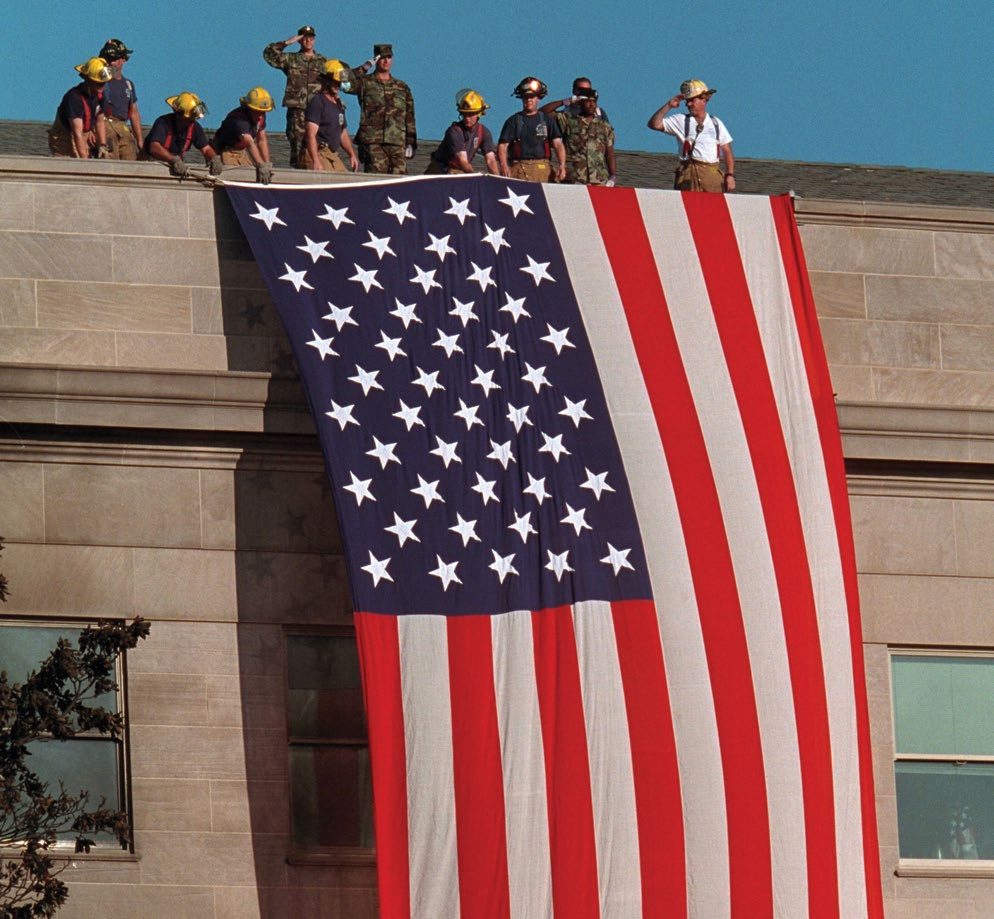
Almost 3,000 people died in the September 11th terrorist attacks. The attacks were the worst attacks on the United States’ homeland since Japan attacked Pearl Harbor in 1941. After the September 11 attacks, the United States fought in Afghanistan and Iraq as part of the War on Terror.
American Indians and innovation
American Indians have lived in North America for thousands of years. Today there are more than 500 American Indian tribes in the United States, including the Cherokee, Navajo, and Lakota.
American innovations include the light bulb, the airplane, the assembly line, and landing on the moon.
What to remember
- The U.S. fought in World War I, World War II, the Korean War, the Vietnam War, and the Persian Gulf War during the 1900s.
- World War I ended on November 11, 1918, now honored as Veterans Day.
- The 19th Amendment gave women the right to vote in 1920.
- The Great Depression was the worst economic downturn in U.S. history and began with the stock market crash of 1929.
- Franklin Roosevelt was the 32nd President and served from 1933 to 1945.
- The 22nd Amendment limits a President to two elected terms.
- Japan’s attack on Pearl Harbor brought the U.S. into World War II in 1941.
- The Cold War was a rivalry with the Soviet Union that ended in 1991.
- The U.S. fought in Korea and Vietnam to stop communism and in the Persian Gulf War to free Kuwait.
- The Civil Rights Movement led to the Civil Rights Act of 1964 and the Voting Rights Act of 1965.
- Terrorists attacked the United States on September 11, 2001, and the U.S. then fought in Afghanistan and Iraq.
- American Indians belong to more than 500 tribes, and American innovations include the light bulb, airplane, and moon landing.