
What this chapter covers
- The Constitutional Convention.
- The first years of the new government.
- The Louisiana Territory and the Trail of Tears.
- The Mexican-American War.
- The expansion of U.S. territory from the Atlantic Ocean to the Pacific Ocean.
The Constitutional Convention
The Constitution was written in 1787. It was written 11 years after the Declaration of Independence was adopted in 1776.
After the United States won the American Revolutionary War, many people were not happy with the way the country was being governed. Many of the states disagreed on issues like trade, taxes, and other laws.
Some of the country’s leaders, like George Washington, Alexander Hamilton, and James Madison, believed that the United States needed a new government.
In 1787, leaders from all 13 original states met in Philadelphia, Pennsylvania, to create a new government. This meeting was called the Constitutional Convention. The Founders wrote the Constitution at the Constitutional Convention.
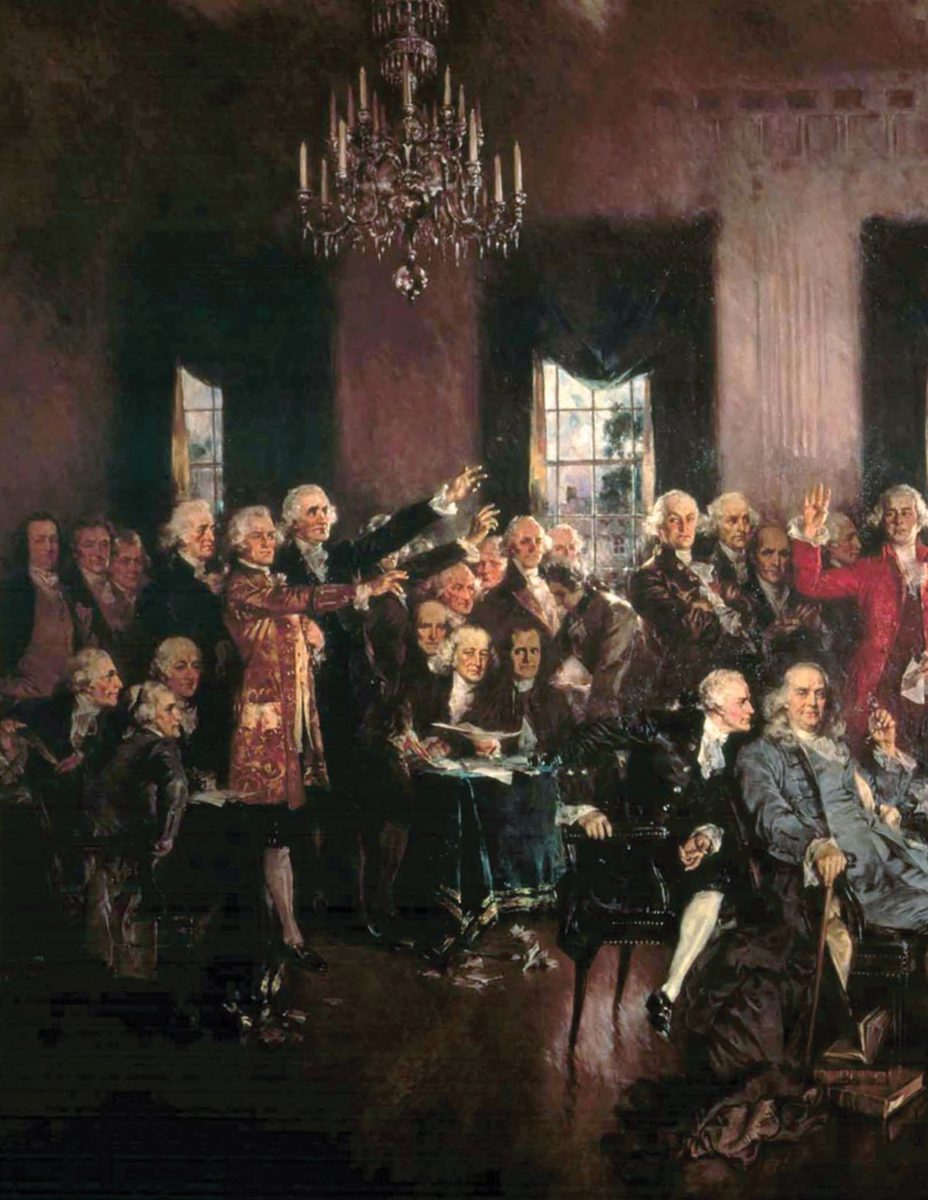
After the Founders wrote the Constitution, the 13 original states had to vote for the Constitution.
Not everyone in the country wanted the new Constitution. James Madison, Alexander Hamilton, and John Jay wrote papers to support passing the U.S. Constitution. These papers are called the Federalist Papers. They published the Federalist Papers in newspapers across the United States.
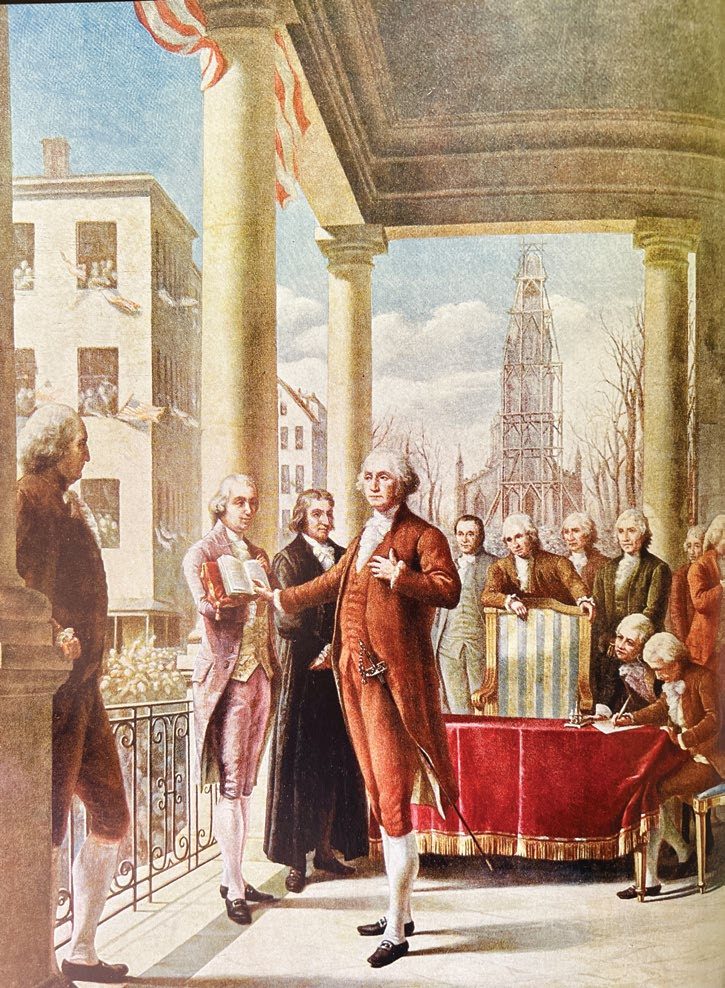
When the states voted to pass the Constitution, the United States created a new government. George Washington was elected the first President of the United States. He served as President from 1789 to 1797. George Washington is also known as the “Father of Our Country.”
The United States between 1787 and 1803
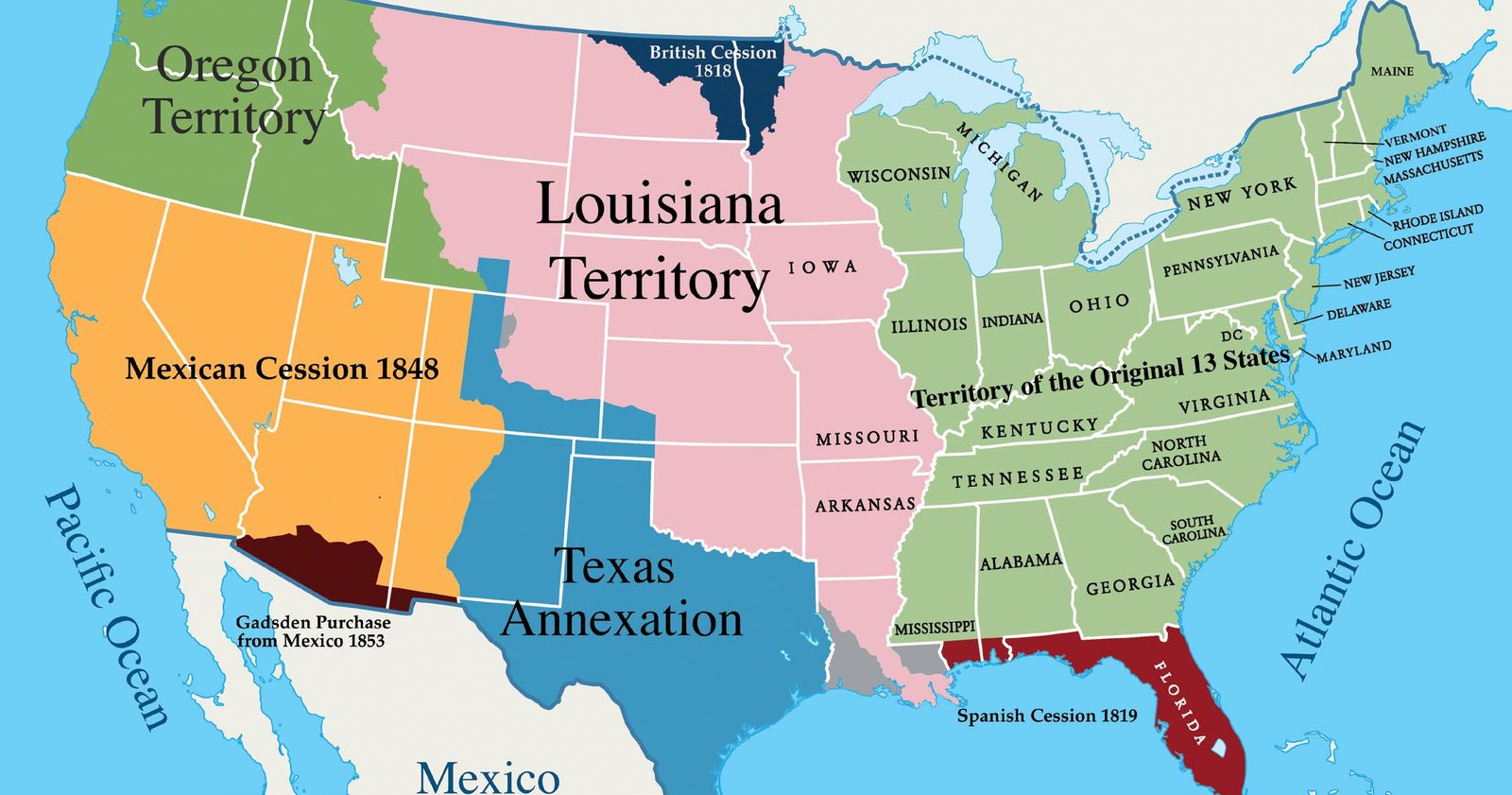
When the Constitution was written in 1787, the U.S. had 13 states on the East Coast of North America. The United States also claimed to own the land between the 13 original states and the Mississippi River as U.S. territory. The word “claim” means that other European countries that created colonies in the Americas agreed that this territory was owned by the United States.
At this time, there were still over 600,000 Native Americans living on the land claimed by the United States. Native American tribes had lived for thousands of years in the territory that the U.S. claimed. They did not agree that the U.S. owned the land. This led to many conflicts and wars in the 1800s because Native Americans were forced to defend their people, their culture, and their land.
The Louisiana Territory
In 1803, President Thomas Jefferson purchased the Louisiana Territory from France for the United States. The Louisiana Territory included a large amount of land between the Mississippi River and the Rocky Mountains. France sold the Louisiana Territory to the United States because it needed money to pay for wars it was fighting in Europe.
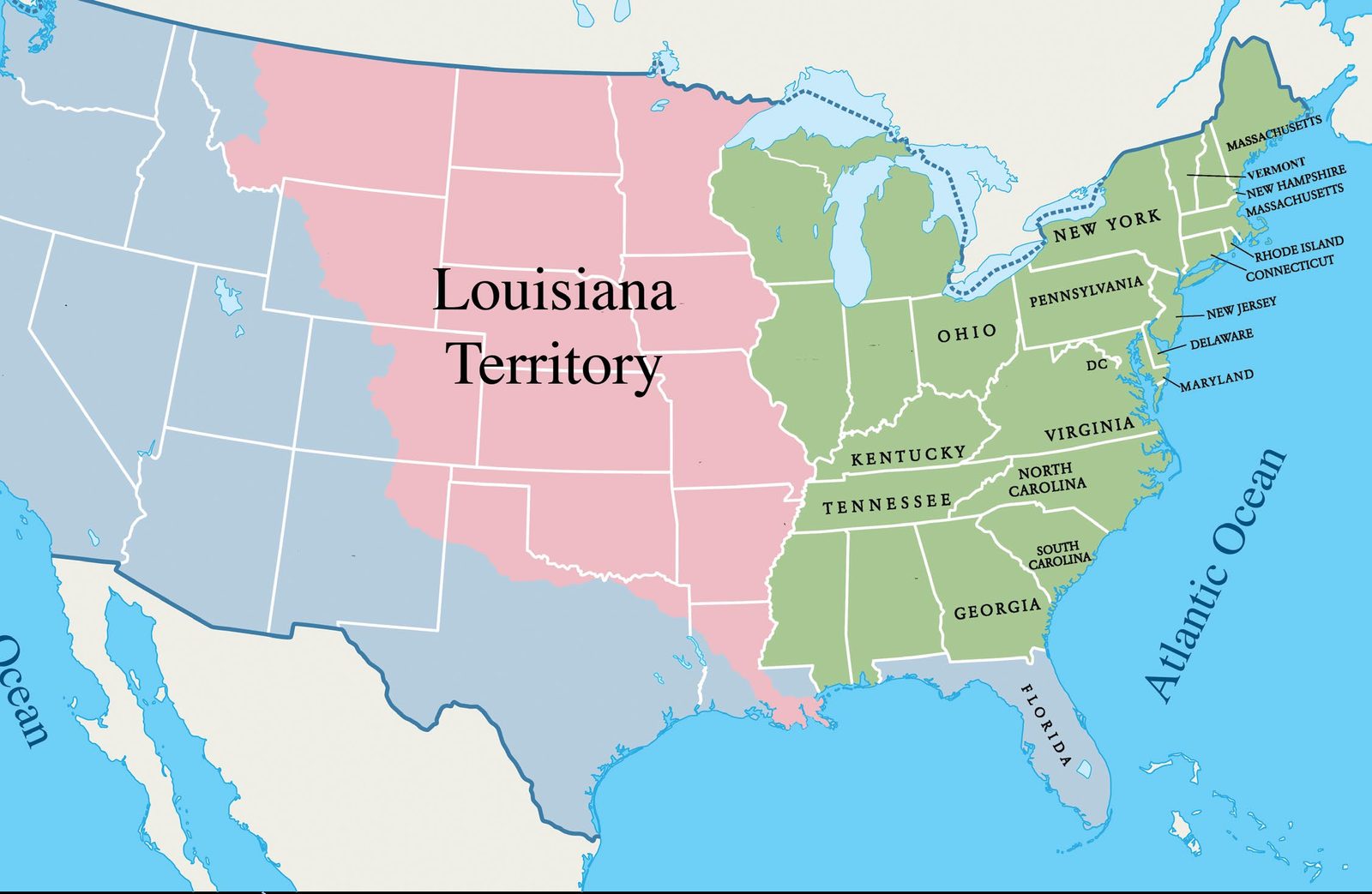
When the U.S. purchased the Louisiana Territory from France, more people began moving west into the new territory. This led to more conflicts and wars between people from the United States and Native Americans.
For example, between the 1830s and 1850s, people from five Native American nations in the southern United States were forced to move from their homeland to land in the Louisiana Territory. The five nations were the Cherokee, Muscogee, Seminole, Chickasaw, and Choctaw. This event is called the “Trail of Tears” because thousands of people died from disease and starvation on the trail during the journey.
Throughout the 1800s, people from the United States continued to move west. This led to more conflicts between Native Americans and people from the U.S., and more Native Americans were forced to move off their land.
Native Americans are also called American Indians. Today, there are over 500 American Indian tribes in the United States.
Some American Indian tribes in the United States
- Cherokee
- Navajo
- Sioux
- Chippewa
- Choctaw
- Pueblo
- Apache
- Iroquois
- Creek
- Blackfeet
- Seminole
- Cheyenne
- Arawak
- Shawnee
- Mohegan
- Huron
- Oneida
- Lakota
- Crow
- Teton
- Hopi
- Inuit
The Mexican-American War
In 1845, Texas became the 28th state to join the United States. Until 1836, Texas was part of Mexico. Texas fought for independence from Mexico and became its own country from 1836 to 1845.
At that time, Mexico still claimed much of the land in the southwest between the Rocky Mountains and the Pacific Ocean. Mexico also wanted Texas to be part of Mexico again.
In 1846, the U.S. went to war with Mexico over Texas and other land that Mexico controlled in the southwest. This war is called the Mexican-American War.
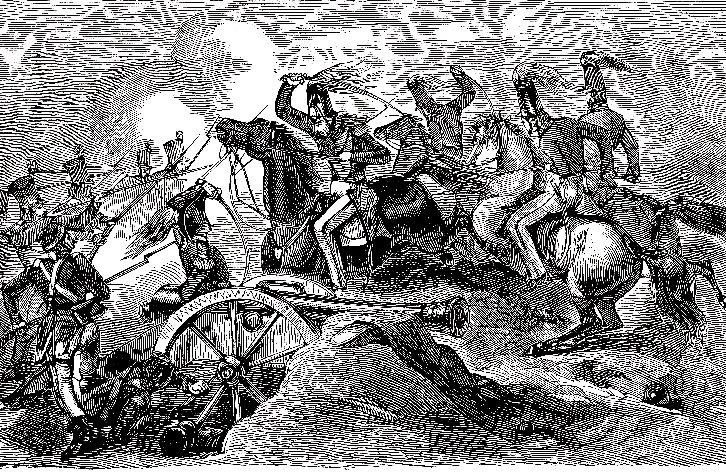
The U.S. won the Mexican-American War in 1848. After the war, the United States and Mexico signed a treaty. In the treaty, Mexico agreed that Texas was part of the United States. Mexico also agreed to sell the land it claimed in the southwest to the U.S. The territory the U.S. gained from Mexico later became the states of California, Nevada, and Utah. It also included territory that became parts of Arizona, Colorado, New Mexico, and Wyoming.
Today, the states of California, Arizona, New Mexico, and Texas all border Mexico.
Other wars the United States fought in the 1800s
- War of 1812
- Civil War
- Spanish-American War
Expanding into the West
In 1850, California became the 31st state to join the United States, and it was the first state to join that bordered the Pacific Ocean.
By 1860, there were 33 states in the United States. The Atlantic Ocean bordered the U.S. on the East Coast, and the Pacific Ocean bordered the U.S. on the West Coast. The U.S. also claimed all of the land between Canada and Mexico that today makes up the first 48 states to join the United States.
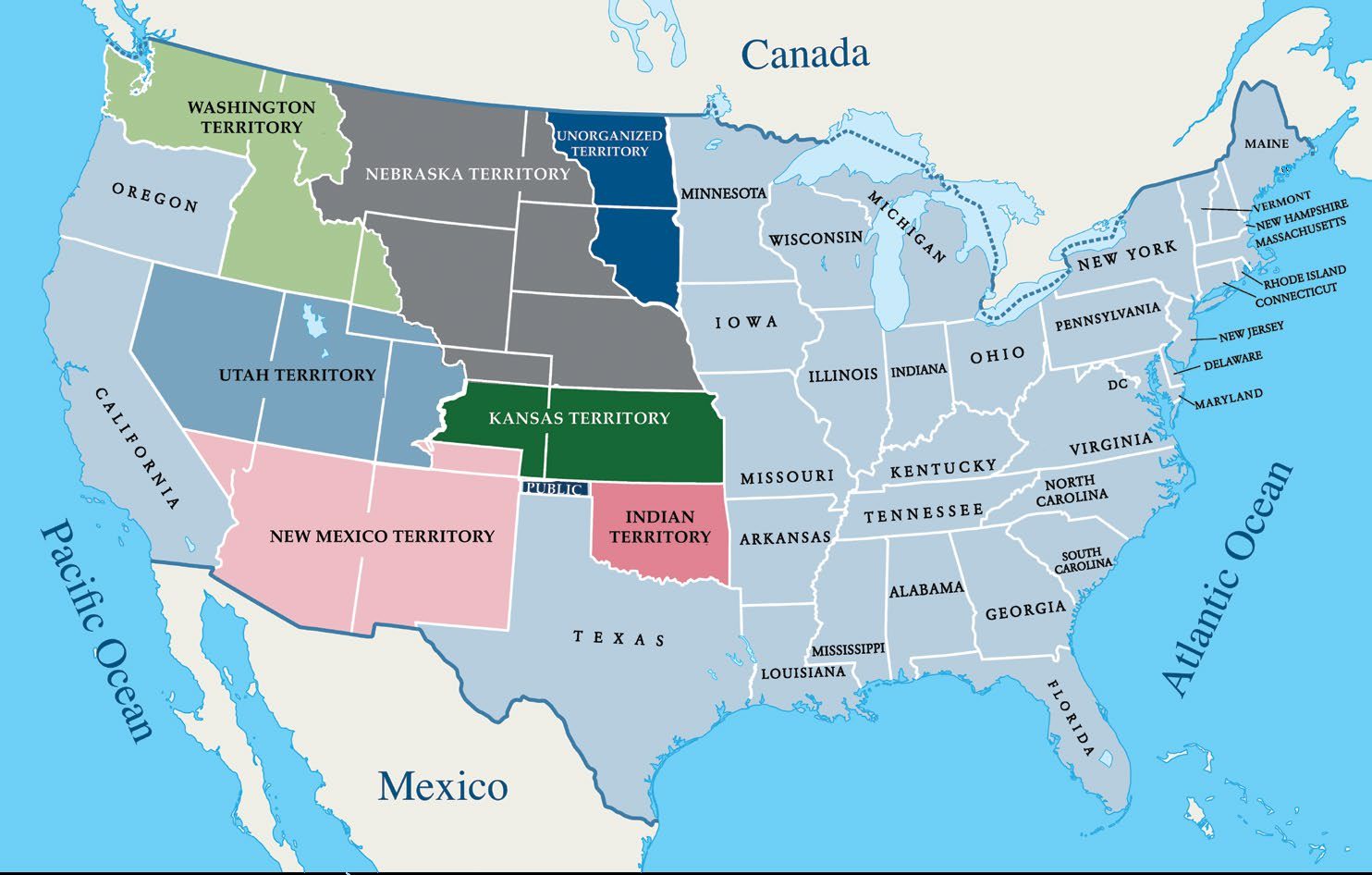
The growth of the country not only led to conflicts with Native Americans and Mexico, it also led to conflicts between people from the United States moving to the West. The biggest conflict was over slavery.
Other problems that led to the Civil War
- Economic reasons.
- States’ rights.
The conflicts over slavery in the South and the West were one problem that led to the Civil War.
What to remember
- The Constitution was written at the Constitutional Convention in Philadelphia in 1787.
- The Federalist Papers supported ratification of the Constitution.
- George Washington was the first President, serving from 1789 to 1797.
- President Thomas Jefferson bought the Louisiana Territory from France in 1803.
- The Trail of Tears forced five Native American nations from their homeland in the 1830s and 1850s.
- The U.S. won the Mexican-American War in 1848 and gained territory in the southwest.
- California became the 31st state in 1850, giving the U.S. a Pacific coast.
- Conflicts over slavery were a major cause of the Civil War.