
What this chapter covers
- The Statue of Liberty.
- Ellis Island and Angel Island.
- The American flag and the Pledge of Allegiance.
- The national anthem and the national motto.
- National holidays that have special meaning in the United States.
The Statue of Liberty
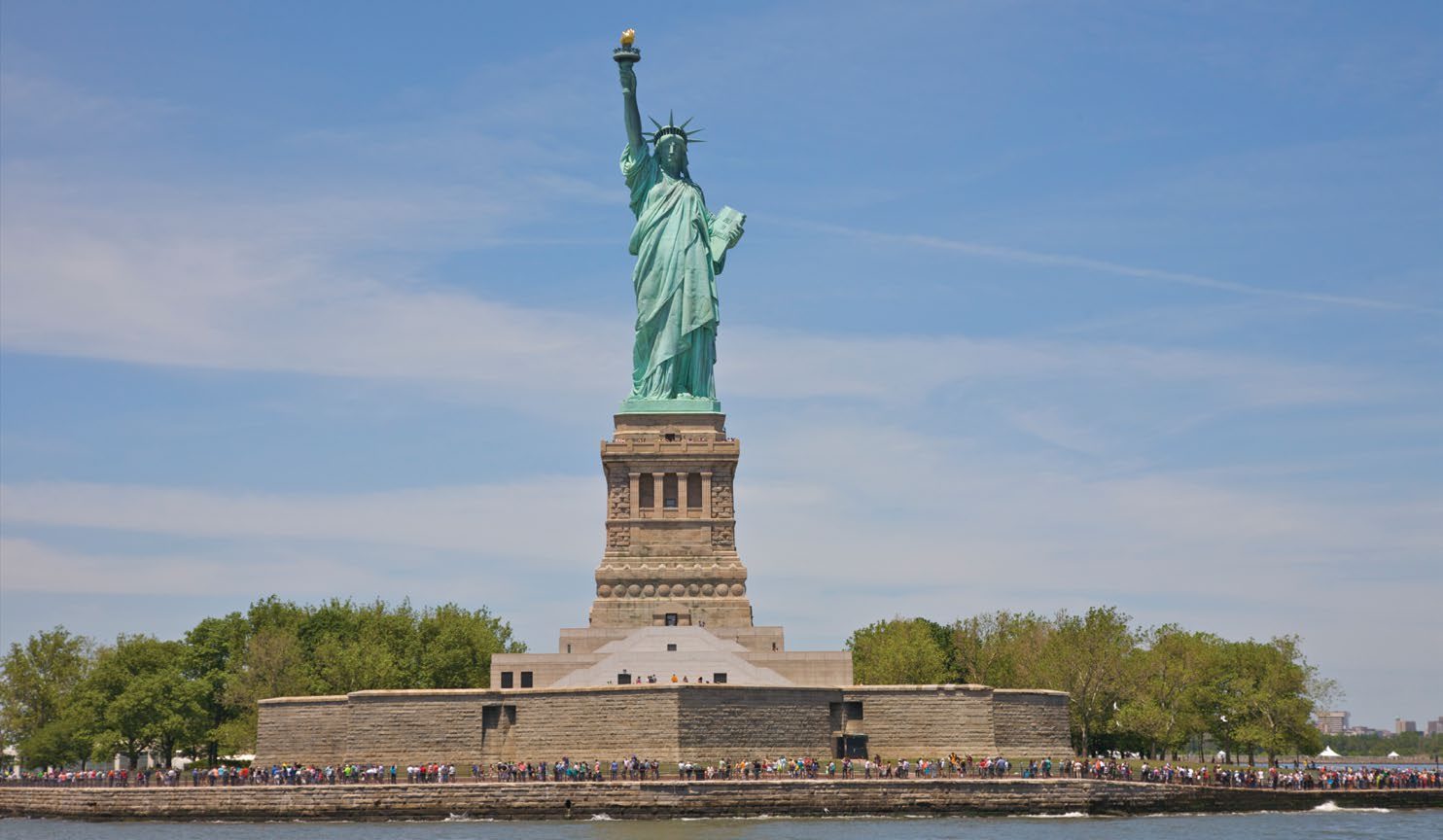
The Statue of Liberty is a famous symbol of the United States. In 1886, France gave the statue to the United States as a symbol of friendship.
It is a symbol of freedom and democracy. The Statue of Liberty is in New York Harbor on Liberty Island. Every year, over 4 million people from around the world visit the Statue of Liberty.
The statue is of a woman holding a torch in her right hand and a tablet in her left hand. The tablet has the date July 4, 1776, on it. July 4, 1776, is when the Declaration of Independence was adopted.
Ellis Island
Ellis Island was an immigration station in New York Harbor. Ellis Island began receiving immigrants to the United States on January 1, 1892. Over the next 62 years, more than 12 million immigrants arrived in the United States through Ellis Island.
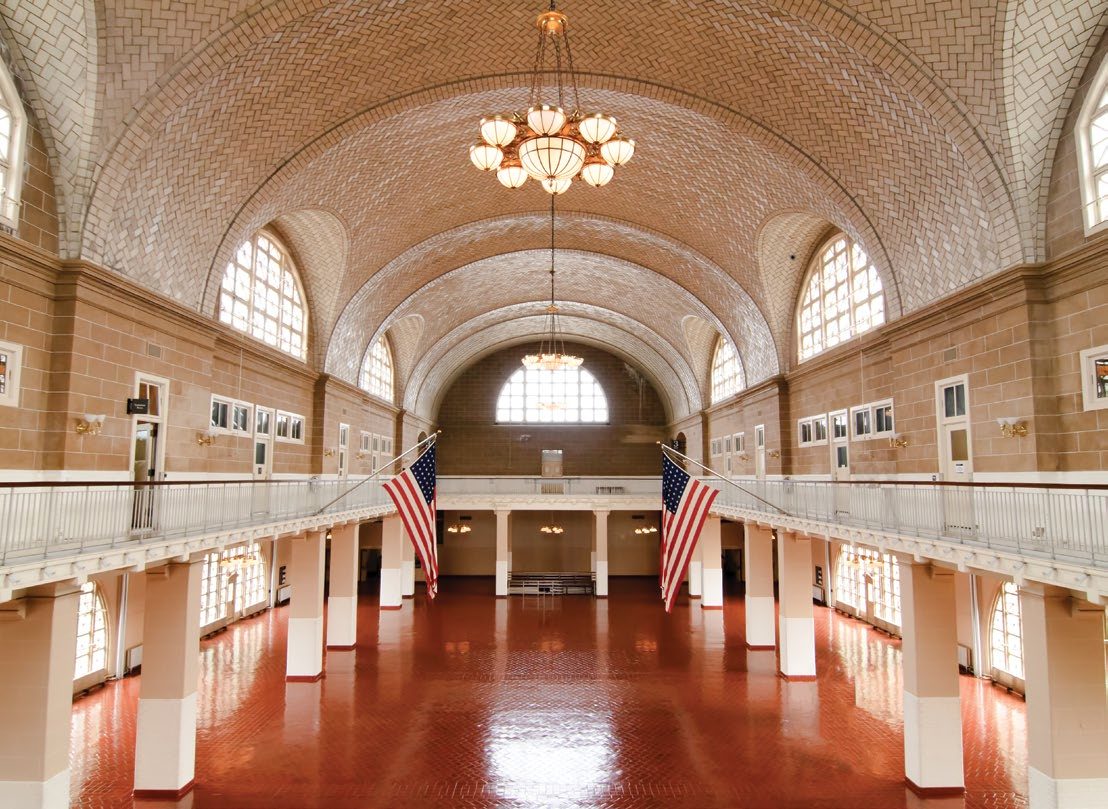
Currently the Statue of Liberty and Ellis Island are National Historic Sites. For more information, visit nps.gov/stli.
Angel Island
Angel Island was another important immigration station, on the West Coast. The Pacific Ocean is on the West Coast of the United States. Between 1910 and 1940, Angel Island processed nearly 1 million immigrants who crossed the Pacific Ocean. Many Asian Americans can trace their family history through Angel Island.

The American flag
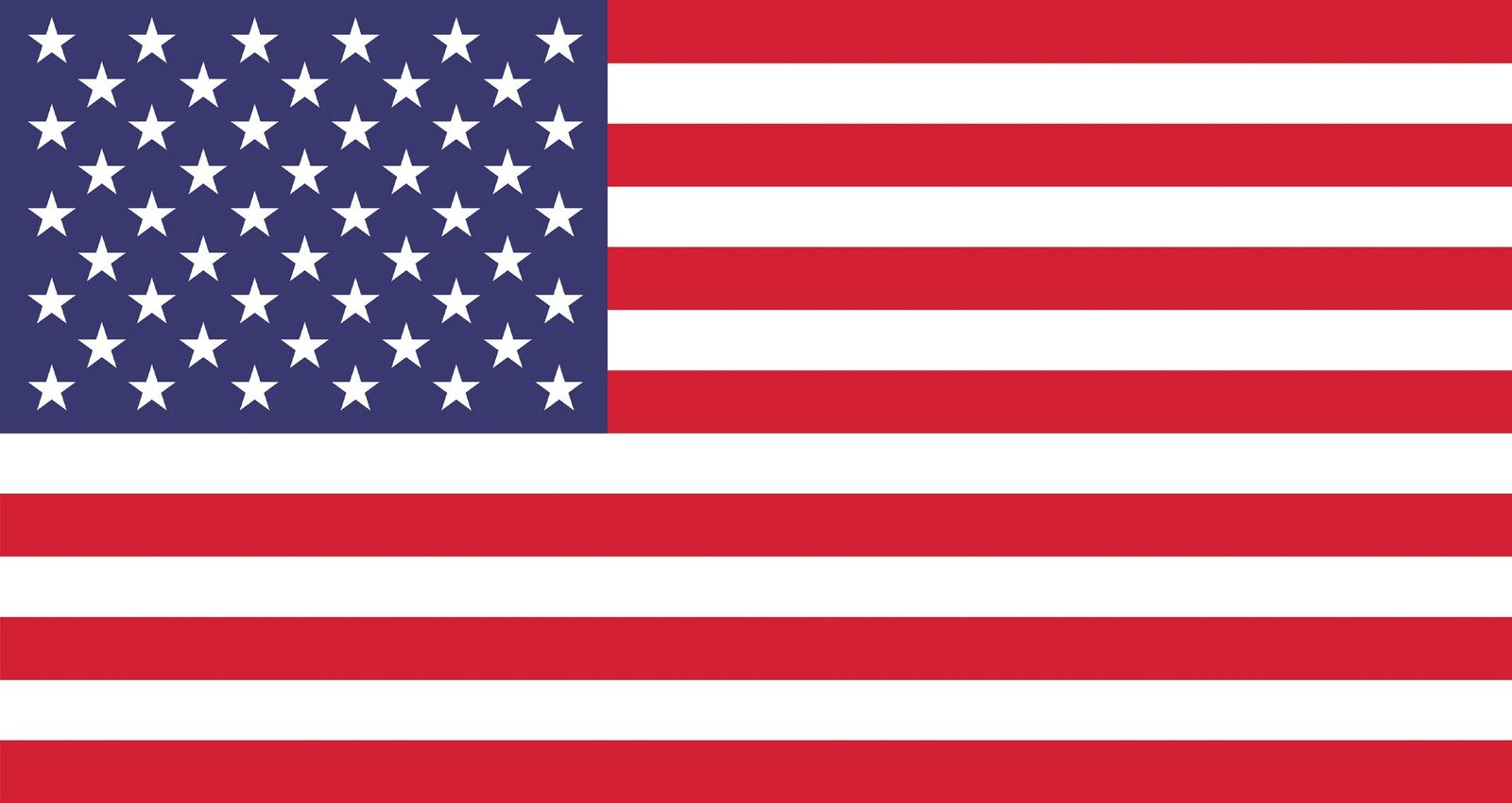
The American flag is an important symbol of the United States. Like the Statue of Liberty, it is also a symbol of freedom. The colors of the flag are red, white, and blue. Each color on the flag has a meaning:
- Red is a symbol for bravery.
- White is a symbol for purity.
- Blue is a symbol for justice.
The flag has 13 red and white stripes. The stripes represent the 13 original colonies. There are 50 stars on the flag. Each star represents a state.
The Pledge of Allegiance
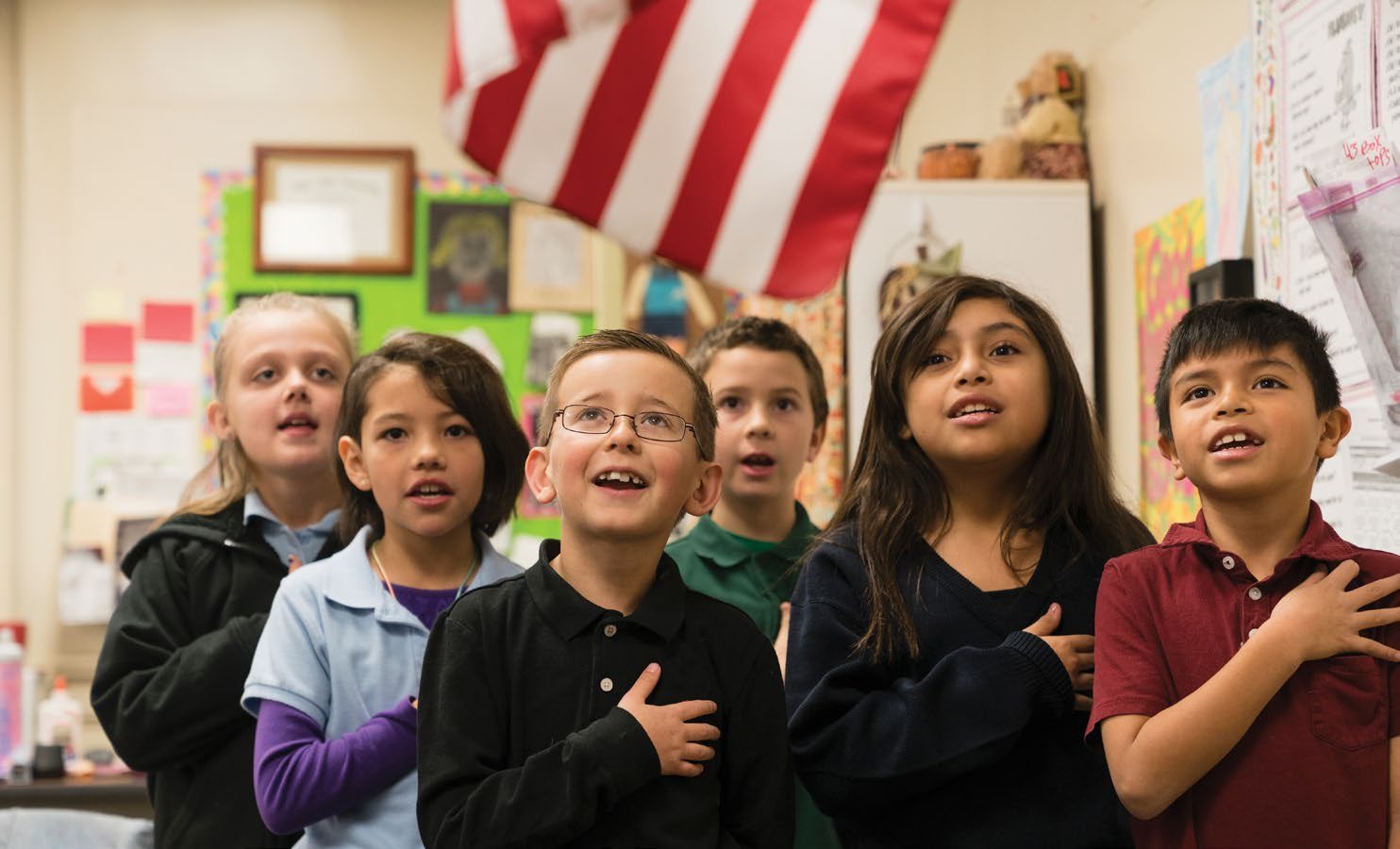
We show loyalty to the flag and the United States when we say the Pledge of Allegiance. During naturalization ceremonies, everyone attending the ceremony is asked to say the Pledge of Allegiance. When we say it, we stand, turn toward the flag, and put our right hand over our heart.
The national anthem
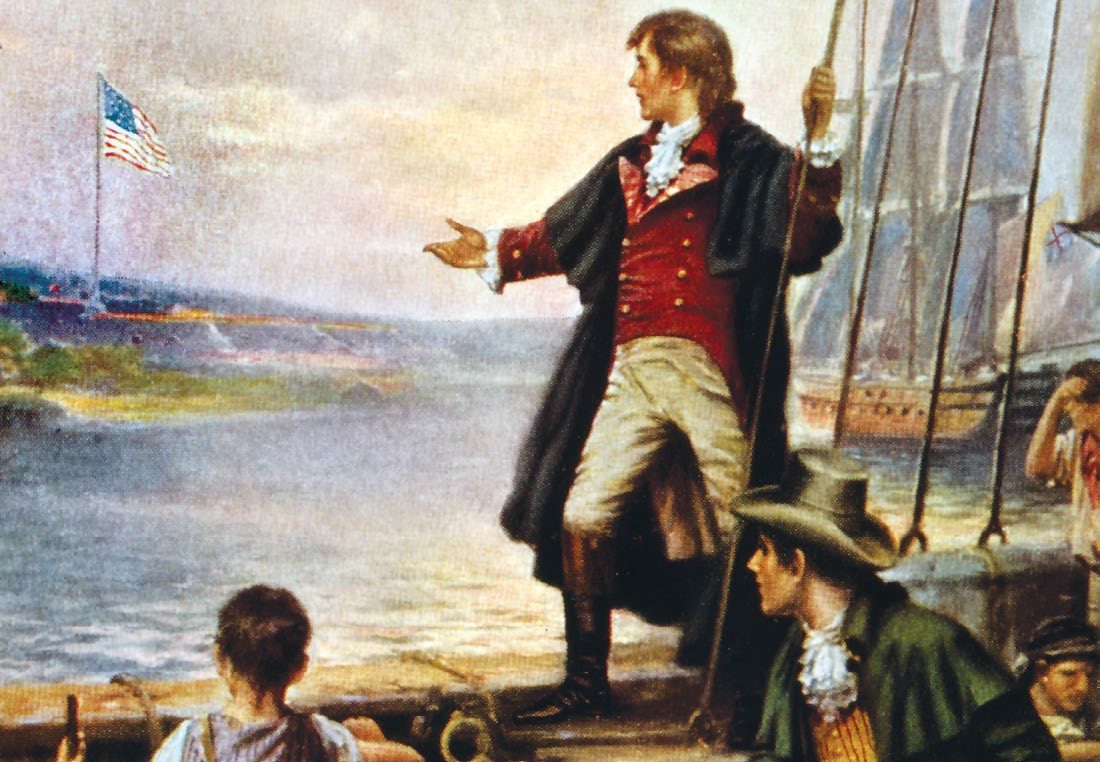
The name of the national anthem is “The Star-Spangled Banner.”
“Spangled” refers to the stars on the flag that look like they are shining in the night sky. The word “banner” means flag.
The Star-Spangled Banner was written by Francis Scott Key. He wrote it about seeing the American flag after a battle during the War of 1812. The War of 1812 was one war the U.S. fought in the 1800s.
The national motto
The first motto of the United States was “E Pluribus Unum.” It is Latin for “Out of many, one.” The motto describes how the 13 original colonies became one nation.
American holidays
The following holidays are national holidays. National holidays are sometimes called federal holidays because they were passed by Congress and signed into law by the President.
The national holidays listed in the USCIS guide
- New Year’s Day (January 1).
- Birthday of Martin Luther King, Jr. (third Monday in January).
- Washington’s Birthday or Presidents’ Day (third Monday in February).
- Memorial Day (last Monday in May).
- Juneteenth National Independence Day (June 19).
- Independence Day (July 4).
- Labor Day (first Monday in September).
- Columbus Day (second Monday in October).
- Veterans Day (November 11).
- Thanksgiving Day (fourth Thursday in November).
- Christmas Day (December 25).
Martin Luther King, Jr. Day
Martin Luther King, Jr., Day is a day that we honor the life and work of Martin Luther King, Jr.
Martin Luther King, Jr., was a church and community leader. He fought for civil rights by working to protect the rights of individuals listed in the Bill of Rights. For example, he believed that everyone should have the rights and freedoms listed in the First Amendment. The First Amendment protects freedom of worship, speech, the press, assembly, and the right to ask the government for a change.
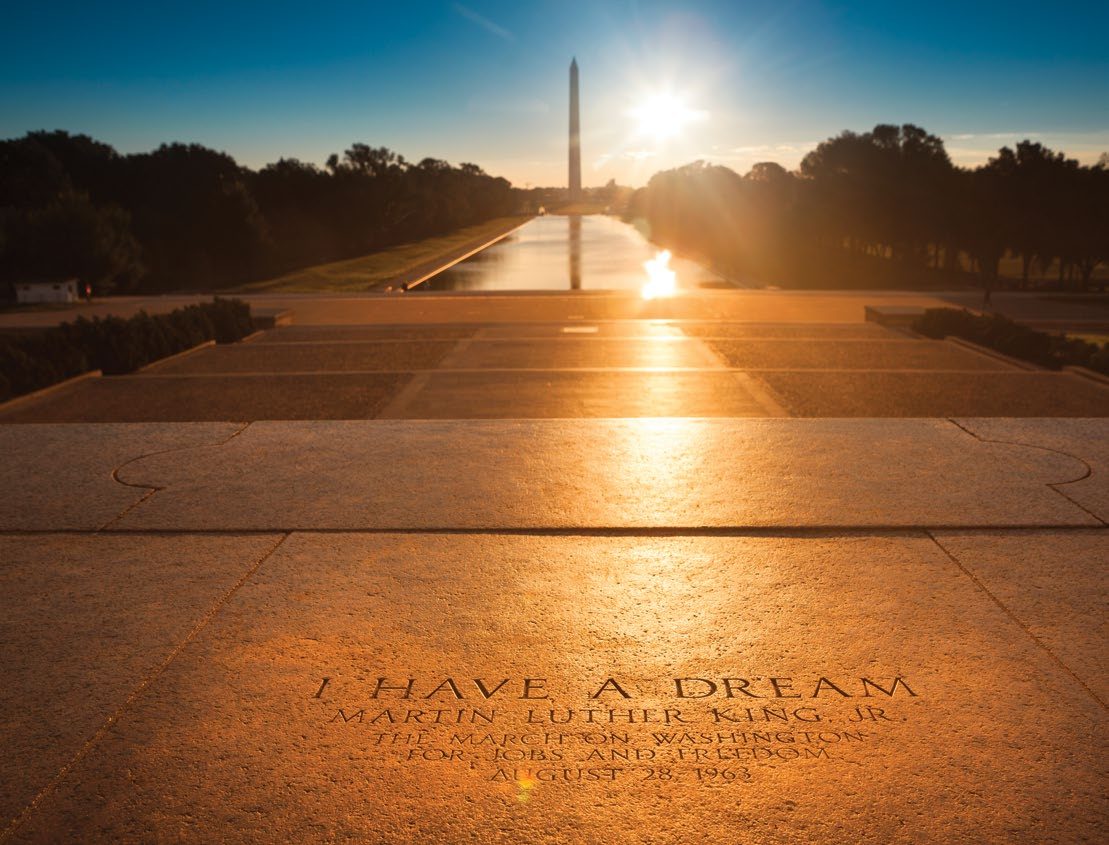
Martin Luther King, Jr., led many of the events during the civil rights movement. The civil rights movement tried to end racial discrimination. In 1963, he led the March on Washington for Jobs and Freedom. He gave his famous “I Have a Dream” speech in front of the Lincoln Memorial.
In 1965, Martin Luther King, Jr., and other civil rights leaders, like John Lewis, helped to organize a march from Selma, Alabama, to Montgomery, Alabama. They organized the march to support voting rights for all U.S. citizens. Soon after the march, Congress passed a law called the Voting Rights Act of 1965.
Martin Luther King, Jr., was awarded the Nobel Prize for Peace in 1964. He was assassinated on April 4, 1968.
The third Monday in January is Martin Luther King, Jr., Day. It is a national holiday. There is also a memorial in Washington, D.C., to honor him.
Presidents’ Day
We celebrate Presidents’ Day to honor George Washington and Abraham Lincoln.
George Washington was the first President of the United States. He is also called the “Father of Our Country.” President Washington was born on February 22.
Abraham Lincoln was the 16th President of the United States. He led the United States during the Civil War. President Lincoln was born on February 12.
We celebrate Presidents’ Day on the third Monday in February because it is between President Washington’s birthday and President Lincoln’s birthday.
Memorial Day
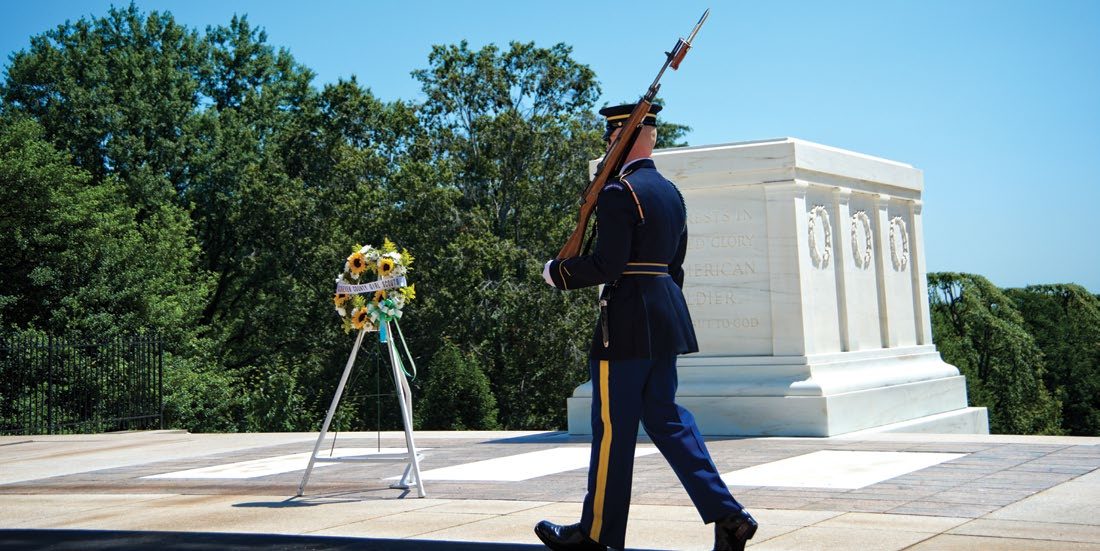
Memorial Day honors men and women who died in service to the United States. Memorial Day is the last Monday in May.
Memorial Day was originally called Decoration Day, from decorating graves with flowers, wreaths, and flags. People in the United States started to observe Memorial Day more widely soon after the Civil War.
Today, Memorial Day is a national holiday. It is commemorated at Arlington National Cemetery each year with a ceremony in which a small American flag is placed on each grave. We also fly the American flag at half-staff to honor those who died in service to the United States.
Juneteenth
Juneteenth is a national holiday that recognizes the end of slavery in the United States.
In 1863, President Abraham Lincoln issued the Emancipation Proclamation. The Emancipation Proclamation said the enslaved people in the Southern states were free. Slavery did not actually end until the Civil War ended in 1865. On June 19, 1865, enslaved people in Galveston, Texas, became the last to learn that they were free. This is why June 19th is called Juneteenth.
Independence Day
Independence Day, or the Fourth of July, celebrates the Declaration of Independence, or the birth of the nation.
The Declaration of Independence announced America’s independence from Britain. Thomas Jefferson wrote the Declaration of Independence as a statement of freedom from unfair treatment from Great Britain. The Declaration of Independence was adopted on July 4, 1776.
The Declaration of Independence highlights the importance of self-government in the United States. It also inspired many countries around the world to declare their own freedom.
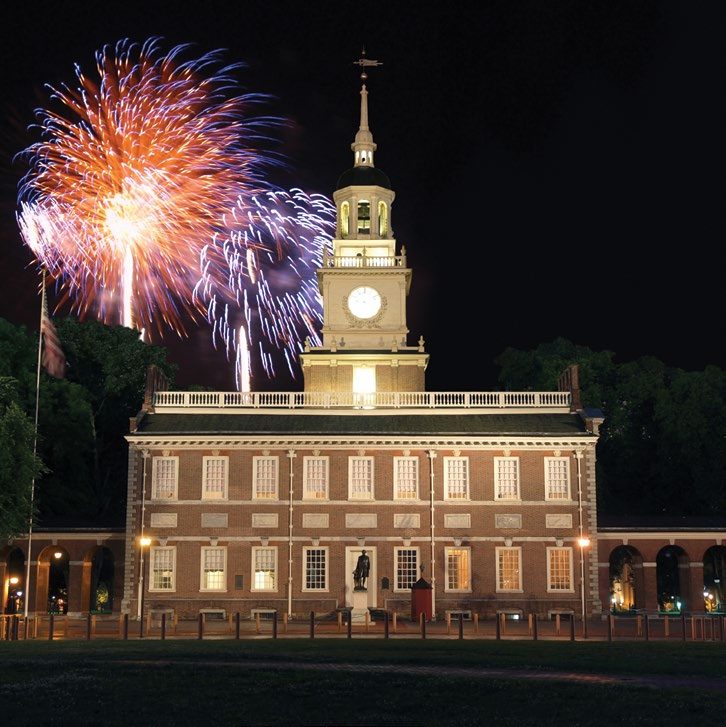
Every year we celebrate Independence Day on July 4.
Veterans Day
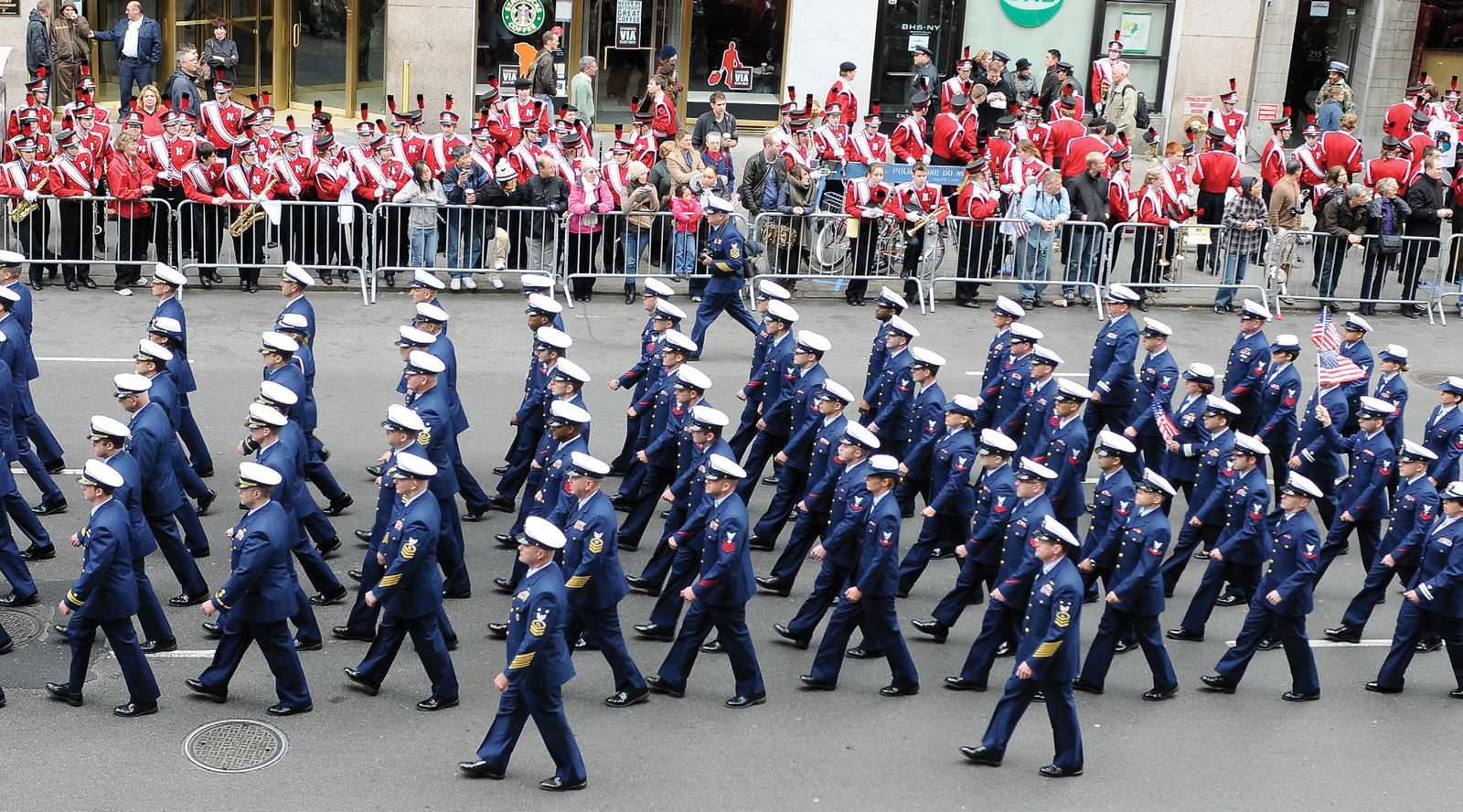
Veterans Day is a national holiday when we honor individuals who have served in the U.S. Armed Forces, alive or deceased, in service of the United States.
Veterans Day was originally called Armistice Day and celebrated the end of World War I, which ended on November 11, 1918. Woodrow Wilson was the President of the United States during World War I. Armistice Day was officially recognized by President Wilson in 1919. It began to be observed throughout the world, honoring those who fought to end the “Great War.”
In 1954, U.S. veterans asked Congress to write a law that changed the name of Armistice Day to Veterans Day. The U.S. Congress makes federal laws. On June 1, 1954, Congress passed a law for Veterans Day to be a national holiday to honor men and women, alive or deceased, who have served in the U.S. military.
Today, we celebrate Veterans Day each year on November 11.
Thanksgiving
Thanksgiving is a national U.S. holiday that is celebrated on the fourth Thursday in November.
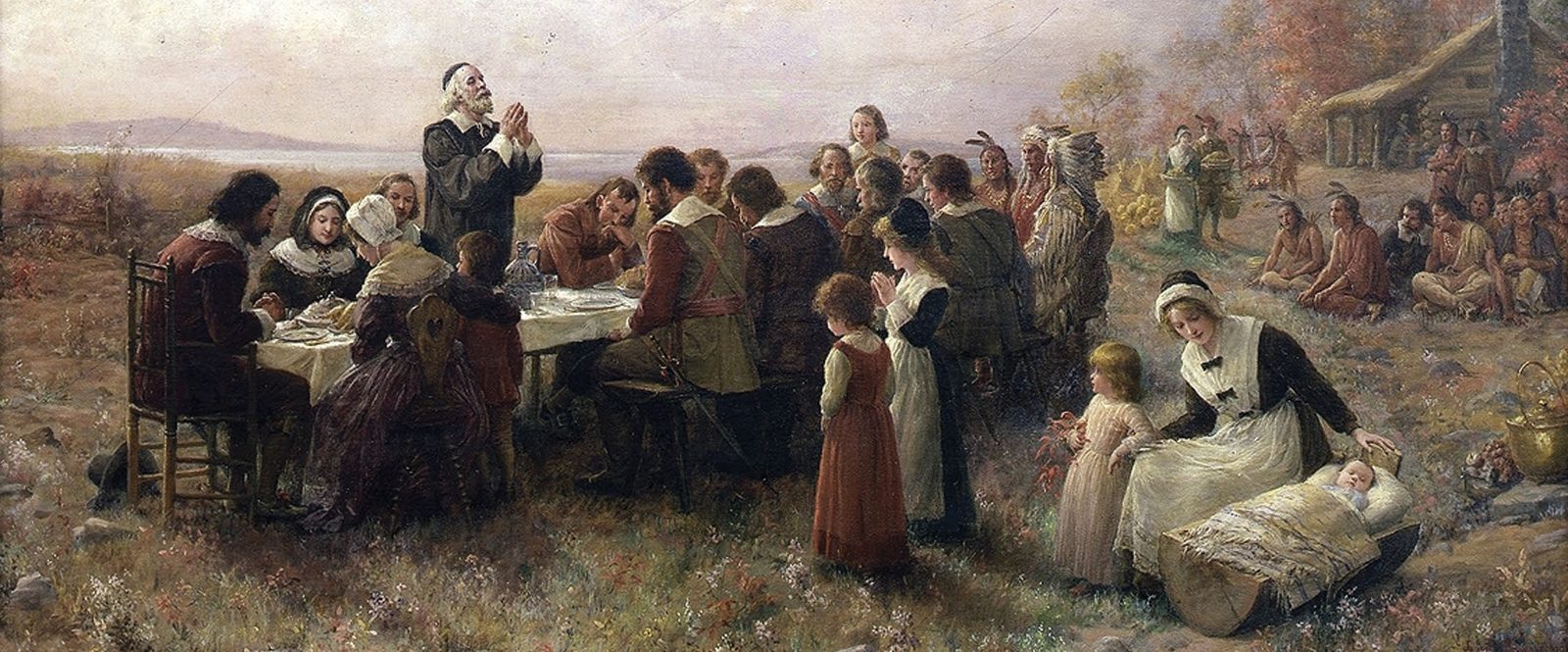
Thanksgiving celebrates a harvest meal shared by Native Americans and English colonists in 1621. In November 1621, English colonists were trying to create a colony in Massachusetts. A Native American tribe called the Wampanoag gathered with the colonists in the fall for a harvest feast.
Today, the people in the United States gather with family and friends on Thanksgiving to share a meal and reflect on the reasons why they are thankful.
What to remember
- The Statue of Liberty was a gift from France in 1886 and stands in New York Harbor.
- Ellis Island processed more than 12 million immigrants; Angel Island processed nearly 1 million on the West Coast.
- The flag has 13 stripes for the original colonies and 50 stars for the states.
- The Pledge of Allegiance is a promise of loyalty to the United States and its flag.
- “The Star-Spangled Banner” is the national anthem, written by Francis Scott Key during the War of 1812.
- The first national motto, “E Pluribus Unum,” means “Out of many, one.”
- Independence Day on July 4 celebrates the Declaration of Independence.
- Memorial Day honors those who died in military service.
- Veterans Day on November 11 honors everyone who has served in the military.
- Juneteenth on June 19 celebrates the end of slavery.
- Thanksgiving is on the fourth Thursday in November.