
What this chapter covers
- Early American history.
- The people living in North America before 1776.
- The Colonial Period from 1607 to 1776.
- Slavery in the colonies.
- The 13 original colonies.
European colonies
In the 1400s, some European countries developed ships that could sail across the ocean. Spain was the first country to send ships across the Atlantic Ocean.
They did not know that the continents of North America and South America were between Europe and Asia. North and South America are sometimes called the Americas.
The Europeans also did not know that there were millions of people living in North and South America. The people living in the Americas before the Europeans arrived are called Native Americans.
By the 1500s, Spain had created colonies across North America and South America. Soon, other European countries like France, Portugal, and England started creating their own colonies in the Americas.
Native Americans
Native Americans lived in North and South America for around 20,000 years before the Europeans arrived.
There were many different tribes of Native American people living in the Americas. Each Native American tribe had its own culture, religion, traditions, language, and form of government. Many tribes moved around and relied on hunting and gathering for food. There were also tribes that stayed in one place and relied on farming for food. Some tribes lived in large cities and had complex forms of government and written languages.
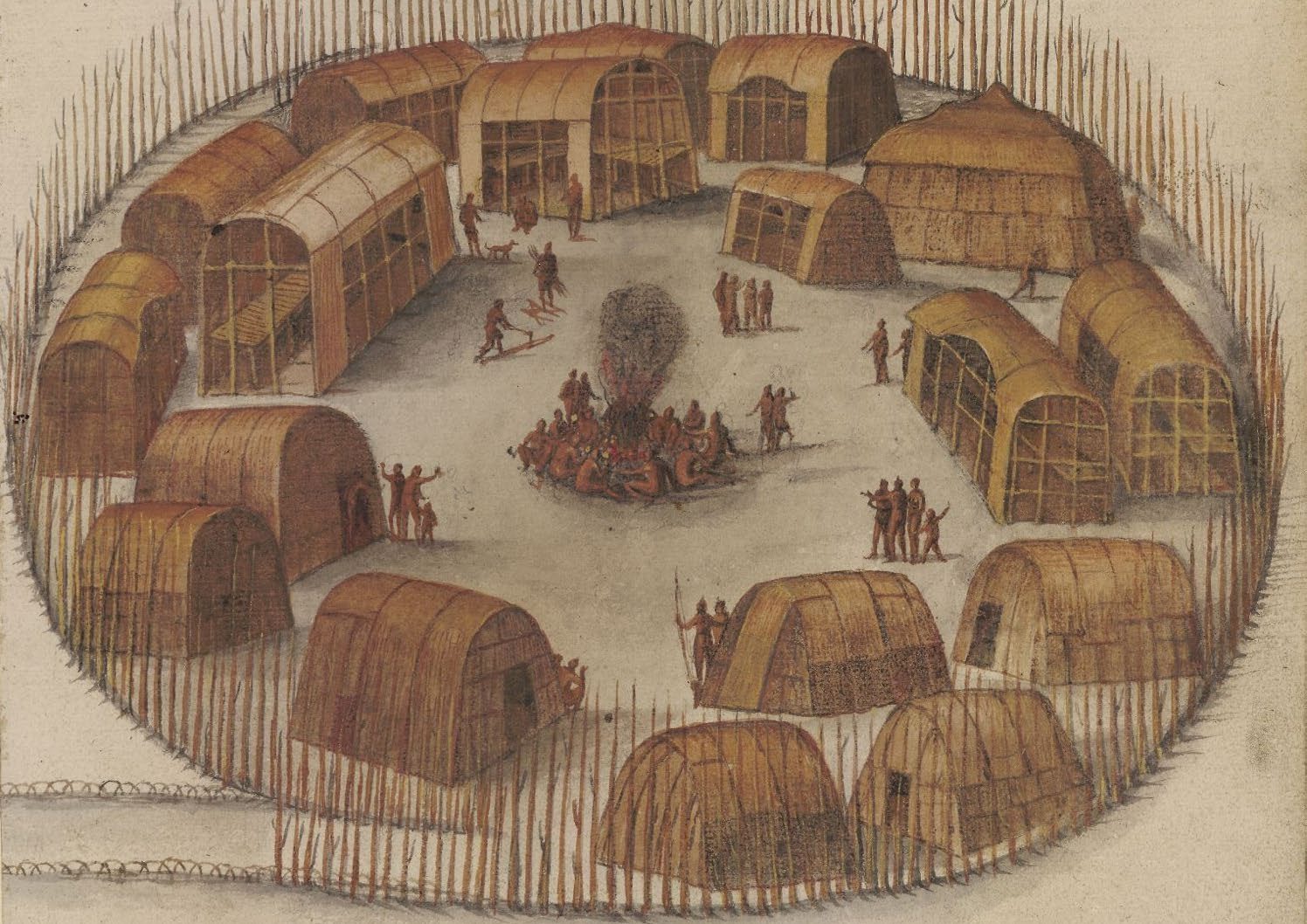
Before the Europeans arrived, there were more than 50 million Native Americans living in North and South America. More than 10 million Native Americans lived on the land in North America that became the United States.
After Europeans arrived in North and South America, millions of Native Americans died from diseases brought by Europeans. Many Native Americans also died from wars and conflicts with Europeans. By the 1600s, there were about 6 million Native Americans living in the Americas, and about 1 million Native Americans still living in North America.
The Colonial Period
In 1607, the country of England created its first permanent settlement in North America. It was called Jamestown. This started the period in American history called the Colonial Period. During the Colonial Period, England created 13 colonies in North America. The period ended when the colonists declared their independence in 1776.
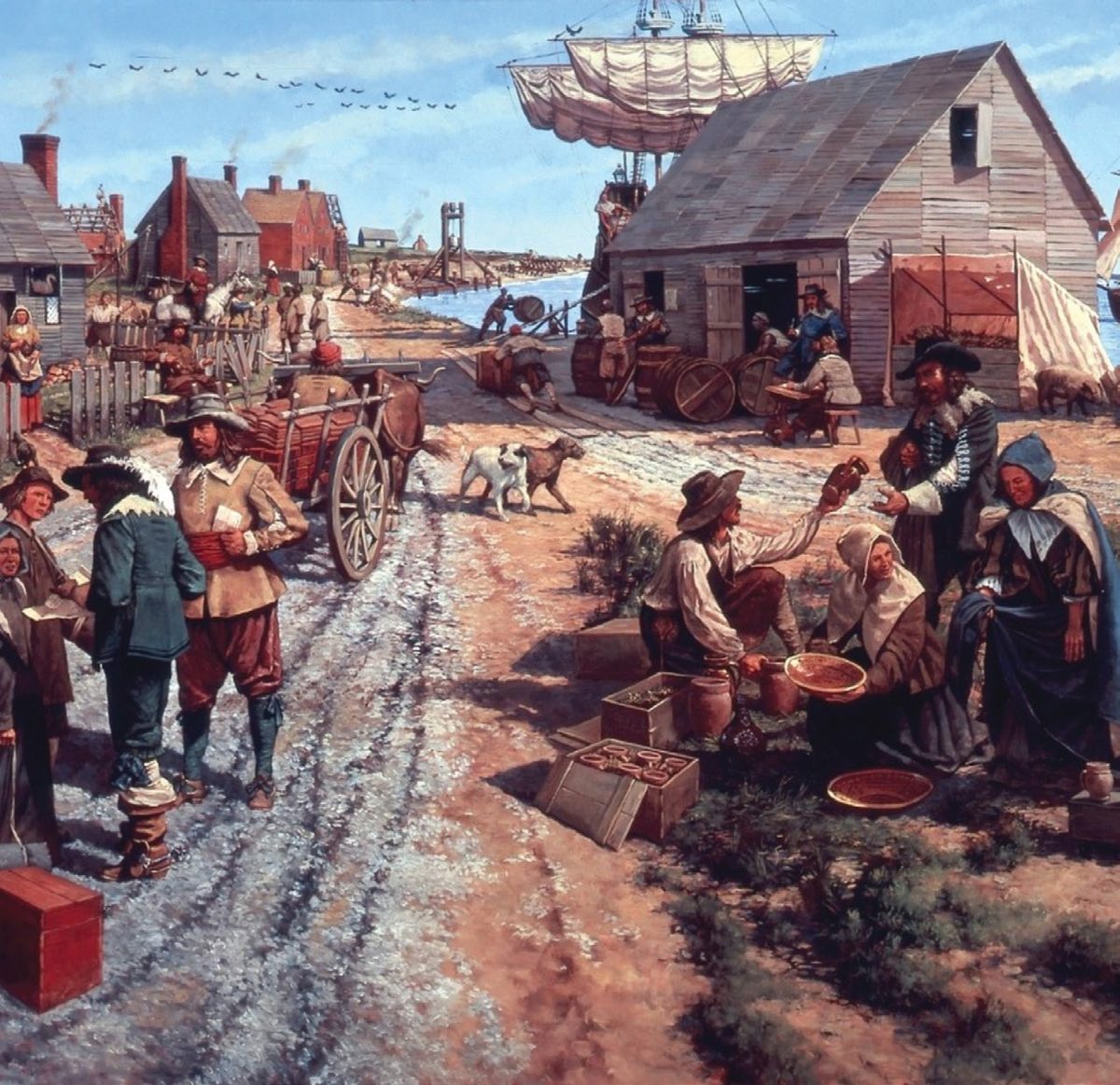
Many colonists who settled in Jamestown came to North America because they wanted economic opportunities. Some colonists believed that it would be easier to buy land for farming in North America. Others thought they could find valuable metals like gold and silver.
The first years in Jamestown were difficult for the colonists. Many died from hunger, disease, or the cold winter weather. Colonists and Native Americans also fought over who would control the land. Both colonists and Native Americans died during the fighting.
Slavery in the colonies
After the first few years, the colonists in Jamestown began to have more success, and the number of colonists grew. They moved to new areas and started growing crops like tobacco and later cotton. The colonists made a lot of money selling these crops to England. They wanted to grow more crops, but they did not have enough people to work on the farms.
Other European countries that had colonies took people from Africa to the Americas and sold them as slaves. Another term for “slave” is an “enslaved person.” An enslaved person is someone who is forced to work with no freedom. Millions of enslaved African people were forced on ships and taken to North and South America.
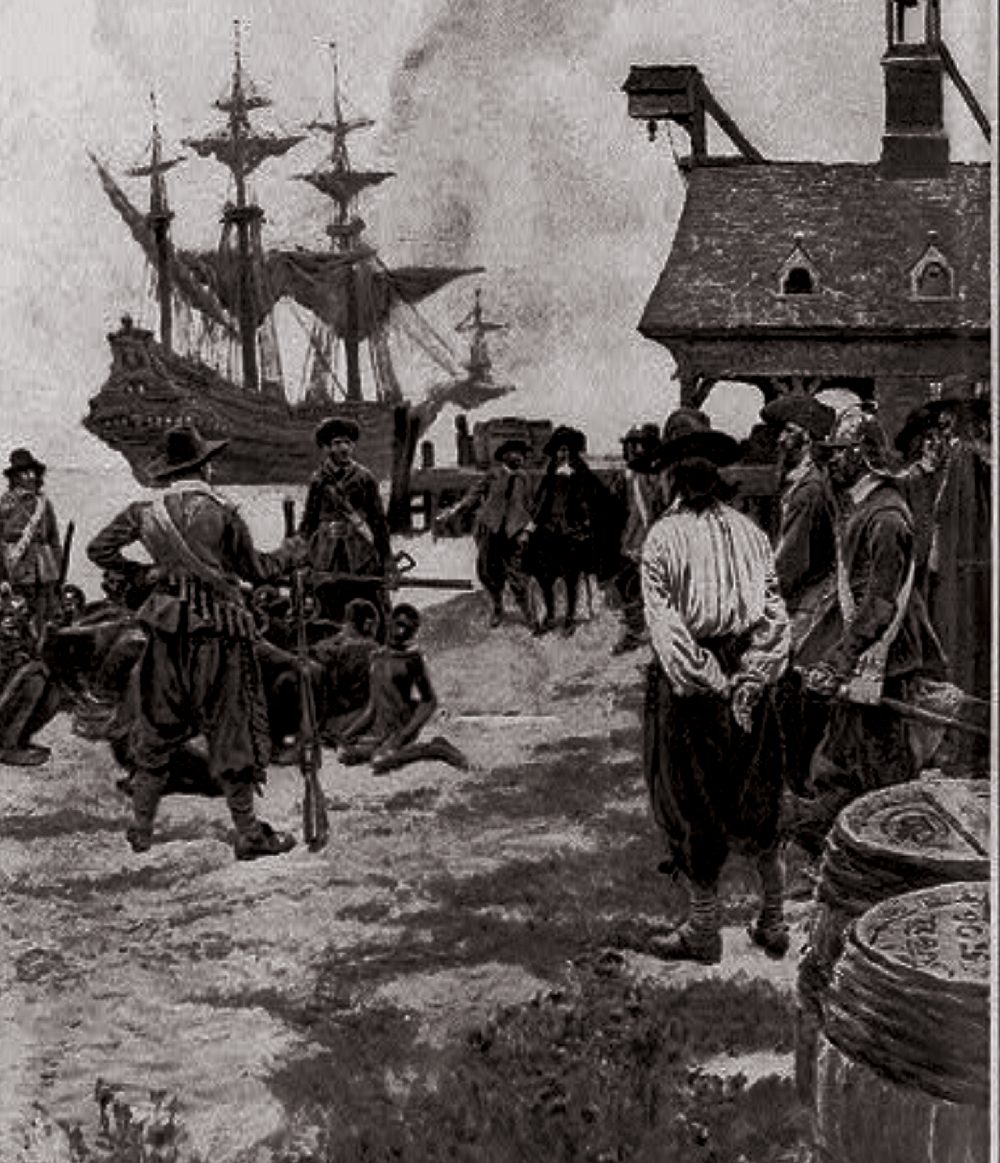
The first group of enslaved Africans was brought to Jamestown in 1619. Enslaved Africans were forced to work on farms in terrible conditions.
The 13 original colonies
As more colonists came to Jamestown, they started to create other settlements. Soon these settlements became known as the colony of Virginia.
In 1620, a group of English colonists called the Pilgrims created the colony of Massachusetts. Many of these colonists came to North America because they wanted religious freedom.
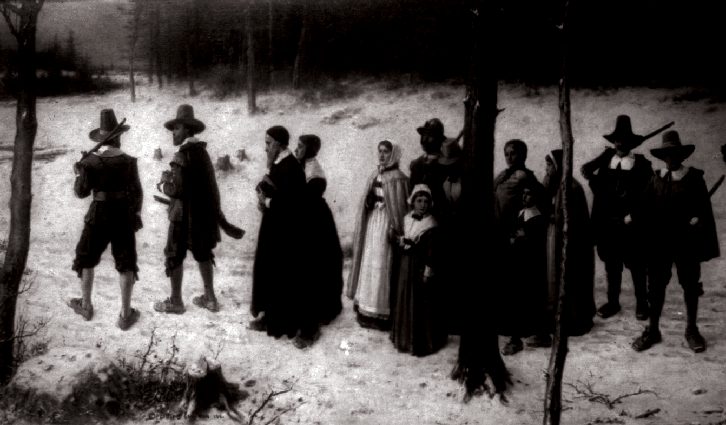
Soon more colonists from England began coming to North America and created more colonies. They created 13 colonies on the East Coast of North America.
The 13 original colonies
- New Hampshire
- Massachusetts
- Rhode Island
- Connecticut
- New York
- New Jersey
- Pennsylvania
- Delaware
- Maryland
- Virginia
- North Carolina
- South Carolina
- Georgia
When the Colonial Period started in 1607, the colonists were part of the country of England. England is on the island of Britain. The country of Scotland is also on the island of Britain. In 1707, England and Scotland became one country called Great Britain. After 1707, the 13 original colonies were part of Great Britain.
What to remember
- Native Americans lived in the Americas for thousands of years before Europeans arrived.
- Jamestown, founded in 1607, was England’s first permanent settlement in North America.
- The first enslaved Africans were brought to Jamestown in 1619.
- The Pilgrims founded Massachusetts in 1620, partly for religious freedom.
- England created 13 colonies on the East Coast.
- The Colonial Period ended when the colonies declared independence in 1776.
- After 1707, England and Scotland were one country, Great Britain.